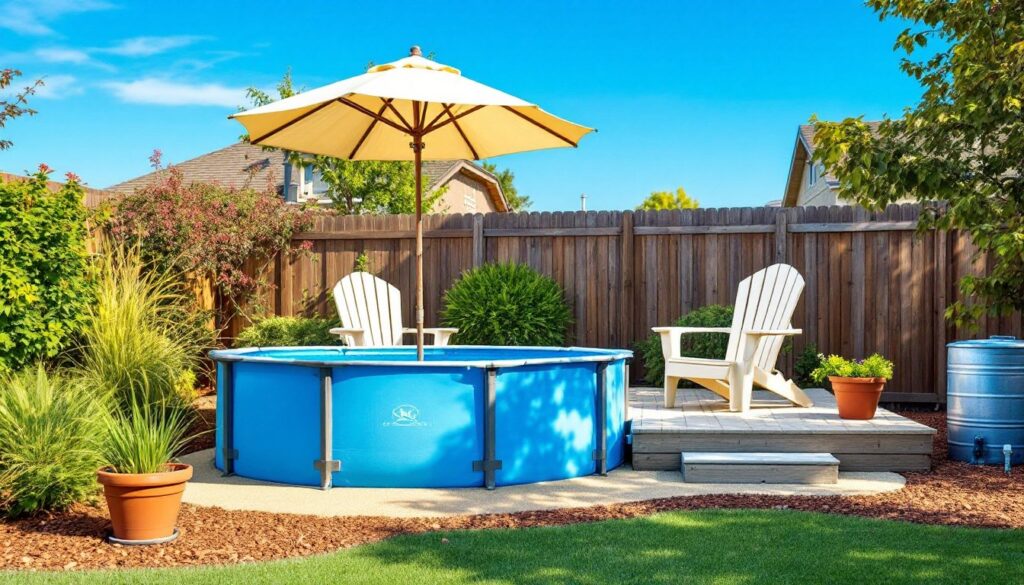
Building a backyard pool doesn’t require a six-figure budget or a sprawling acre of land. Whether you’re working with a modest urban lot or a modest suburban yard, simple backyard pool ideas can transform your outdoor space into a refreshing retreat. From inflatable pools to repurposed stock tanks and modest above-ground setups, homeowners today have more affordable options than ever. This guide walks you through the most practical, budget-conscious pool solutions, along with decking, landscaping, and maintenance strategies that keep costs manageable year-round. Let’s immerse.
Table of Contents
ToggleKey Takeaways
- Simple backyard pool ideas like above-ground pools, stock tanks, and inflatable options cost $300–$3,000, making them accessible for budget-conscious homeowners without requiring expensive in-ground installation.
- Proper site preparation—including level ground, compacted sand bases, and adequate drainage—is essential for preventing water issues, algae bloom, and premature pool failure.
- Stock tank and inflatable pools require minimal pumping (6–8 hours daily), basic testing ($20–$40 monthly), and regular cleaning to maintain water quality affordably year-round.
- Low-cost landscaping using mulch beds, ornamental grasses, and shrubs provides visual separation and shade around your pool without expensive hardscape or manicured lawns.
- A fitted vinyl pool cover is the best budget investment, reducing water loss by 95% and cutting cleaning and chemical costs significantly.
- Pressure-treated wooden decks ($1,200–$2,000 for 8-by-12 feet) and inexpensive seating options like Adirondack chairs ($20–$40) complete a backyard pool setup without premium pricing.
Small Above-Ground Pools That Save Space and Money
Above-ground pools remain one of the most budget-friendly permanent options, typically ranging from $800 to $3,000 depending on size and material. A 12-by-24-foot oval pool costs less than half what an in-ground build demands, and installation takes a weekend rather than weeks. They work especially well for homeowners with level yards and no basement utilities running underneath.
The key is choosing the right footprint for your space. A round 18-foot diameter pool fits neatly into compact yards, while rectangular models work better if you want defined space for lounging beside the water. Metal-frame and resin-wall models ($400–$1,500) offer decent durability: saltwater systems ($1,200–$2,000) reduce chlorine use and soften water, though they’re pricier upfront.
Before buying, measure your yard and confirm it’s relatively level, even a 2-inch slope across the footprint matters. Mark the area with spray paint and sit with it for a day: you might realize you need that corner for parking or that the sun exposure is too intense. Above Ground Pool Maintenance costs matter too, so factor in equipment and chemical budgets before committing.
One often-overlooked advantage: small above-ground pools avoid most permitting headaches that in-ground builds trigger. Always check local code, though: some jurisdictions require fencing, drain systems, or setback distances regardless of pool size.
DIY Inflatable and Stock Tank Pool Options
Inflatable pools are the entry point for budget-conscious DIYers. A 12-foot ring-frame model runs $300–$600 and holds water within an hour. They’re portable, require no digging, and can sit on decking or compacted soil (avoid grass: it’ll rot beneath). For a family of four, they’re genuinely functional summer projects.
Stock tank pools, repurposed agricultural water troughs, have become trendy precisely because they solve two problems at once: affordability and visual style. A galvanized steel 100-gallon trough costs $150–$300, fits a couple comfortably, and lasts 5–10 years with basic upkeep. Larger 200-gallon models ($250–$500) accommodate small families. The catch: they need a sand base, a submersible pump and filter ($400–$800), a heater if you want year-round use, and regular water testing just like any pool.
Converting Stock Tanks Into Stylish Pools
Transforming a stock tank starts with site prep. Choose level ground with good drainage: sandy or gravelly soil works better than clay. Lay down 4 to 6 inches of compacted sand, then position the tank. Check level with a long straightedge, any tilt will cause uneven water pressure and algae bloom in shallow spots.
Infiltrate the water system next. A basic setup includes a submersible pump (½ to ¾ horsepower), a sand or cartridge filter, and vinyl tubing. Run the pump 6–8 hours daily during warm months: this keeps water circulating and prevents stagnation. Add a filter to maintain clarity, sand filters run $400–$600, cartridge filters $250–$400. Pool Cleaning Products like test strips and chlorine tablets cost $30–$50 monthly.
For comfort, consider a propane or electric heater ($800–$2,500). An inexpensive alternative: solar blankets ($60–$120) reduce evaporation and warm water passively. Skimmers and manual nets ($40–$80 each) beat letting debris accumulate. Many homeowners landscaping around stock tanks use simple backyard pool ideas featuring shallow gravel borders and potted plants rather than hardscape, which keeps costs down and allows seasonal flexibility.
Low-Cost Landscaping and Patio Upgrades Around Your Pool
Landscaping around a pool doesn’t demand manicured lawns or expensive hardscape. The goal is visual separation, shade, and safety without breaking budget. Mulch beds ($40–$80 per cubic yard) define space around above-ground pools and inflatable setups, and they’re easy to refresh yearly.
Trees and shrubs handle screening affordably. Crape myrtles, river birches, and fast-growing conifers ($15–$40 per plant) provide dappled shade and wind breaks within 2–3 seasons. Plant them 10–15 feet from the pool’s edge so falling leaves don’t overwhelm your filter. Ornamental grasses in containers ($10–$25 each) add movement without permanent holes in the yard.
For seating and gathering, simple gravel pads compacted over landscape fabric cost $80–$150 for a 10-by-12-foot area. Spread it once, and you have a low-cost, maintenance-light patio that drains well and lets rainwater through. If you want to upgrade later, gravel is removable, most hardscaping isn’t. Backyard Decks And Patios offer more permanent solutions if your budget allows. Pavers ($2–$5 per square foot) or recycled asphalt ($0.50–$1 per square foot) are mid-range options that feel finished without the cost of poured concrete.
Simple Decking and Poolside Seating Solutions
Decking around pools serves both form and function: it prevents slipping, defines space, and gives people a place to sit and dry off. A modest 8-by-12-foot pressure-treated wooden deck costs $1,200–$2,000 in materials and takes 2–3 weekends to build. Pressure-treated lumber resists rot (typical lifespan 15–20 years) and costs roughly $1–$2 per linear foot.
Before building, check setback codes: many jurisdictions require decks 5–10 feet from property lines. Footings matter, concrete piers (12 to 24 inches deep, below frost line) prevent frost heave that’ll crack an entire deck. Use 6-by-6 treated posts on those piers and 2-by-8 or 2-by-10 joists for the frame, spaced 16 inches on-center. Decking boards are typically 2-by-6 or composite, spaced 1/8 inch apart for water drainage. Angle the deck slightly (1/8 inch per foot) so water runs off rather than pooling.
Composite decking ($2–$5 per square foot) lasts 25+ years, resists staining, and won’t splinter, but it’s pricier upfront than pressure-treated lumber. For a tight budget, stick with treated wood and plan to restain every 2–3 years. Never use untreated wood near pools, it rots in a season.
Poolside seating doesn’t need a deck investment. Plastic Adirondack chairs ($20–$40 each) are durable, UV-resistant, and require zero maintenance. Lounge chairs from outdoor retailers ($80–$200) offer comfort without the cost of built-in benches. Umbrellas ($30–$100) or a small pergola frame ($200–$500 DIY kit) give shade and keep UV off bathers.
Budget-Friendly Maintenance Tips to Extend Pool Life
Pool maintenance needn’t be expensive if you prioritize prevention. Regular testing ($20–$40 monthly in chemicals) beats crisis repair. A basic test kit ($15–$25) lets you monitor pH, chlorine, and alkalinity weekly: most pool failures stem from imbalance left unchecked.
Cleaning equipment is minimal: a skimmer net ($20–$30), a brush ($15–$25), and a manual vacuum ($30–$50) handle weekly upkeep on small pools. Larger above-ground setups benefit from a automatic suction-side cleaner ($100–$300), which pays for itself in time saved. Run your pump and filter 6–8 hours daily during swimming season: longer cycles don’t help and waste electricity.
Covers are your best budget investment. A fitted vinyl cover ($60–$150) reduces water loss by 95% and keeps debris out, slashing cleaning and water-treatment costs. In winter, a heavy-duty tarp ($50–$100) protects above-ground pools and inflatable models from damage and algae.
How Much Maintenance Is A Pool covers systems and schedules in detail, but the short version: small pools cost $15–$30 monthly in chemicals and electricity: larger setups run $30–$75. Drain and refill every 3–5 years to reset mineral content: fresh water costs less than constant chemical adjustment. Pool Maintenance Kits bundle testing, cleaning, and basic treatment supplies at $40–$80, offering slight savings over buying separately. Keep records, knowing when you last shocked the pool or replaced the filter saves guesswork and prevents costly mistakes.
Conclusion
Simple backyard pool ideas succeed because they prioritize what matters: water, safety, and upkeep you can actually afford. Whether you choose a modest above-ground shell, a stock tank setup, or an inflatable rig, the fundamentals remain: level ground, clean water, and realistic maintenance commitment. Start small, test your space and your own interest, and expand later if the mood strikes. A thriving backyard pool isn’t about size or price, it’s about showing up weekly with a skimmer net and a willingness to keep it clear.