Most homeowners don’t think about electrical maintenance until something stops working. A breaker trips repeatedly, outlets feel warm, or lights flicker, and suddenly you’re scrambling for an electrician. An electrical maintenance program prevents these emergencies. Regular inspections catch hazards early, keep your system running efficiently, and can extend the life of your equipment by years. Think of it like servicing your car: small checks now prevent expensive breakdowns later. This guide walks you through building a practical maintenance routine that fits your home and schedule.
Table of Contents
ToggleKey Takeaways
- An electrical maintenance program prevents emergencies by catching hazards early through regular inspections, similar to servicing your car before major breakdowns occur.
- Schedule full panel inspections every 3–5 years and monthly outlet checks to identify fire hazards like warm outlets, discolored faceplates, and scorch marks before they escalate.
- Test GFCI outlets monthly and breakers annually by pressing the TEST button; if the outlet or breaker won’t trip or reset, it needs immediate replacement to maintain safety.
- Call a licensed electrician for burning smells, repeated breaker trips, warm outlets, flickering lights, aluminum wiring corrosion, or any main service work rather than attempting DIY fixes.
- Build a simple 30-minute monthly routine into your home maintenance schedule that includes walking through rooms to test outlets, checking for visible wiring damage, and listening for abnormal panel buzzing or crackling sounds.
Why Electrical Maintenance Matters for Homeowners
Electrical problems don’t always announce themselves loudly. A loose wire connection degrades over months before causing damage. Outdated panels designed for 100 amps but handling 200 amps of modern load stress silently. Faulty outlets with improper grounding pose fire and shock hazards that you can’t see.
Regular maintenance catches these issues before they become dangerous or expensive. The National Electrical Code (NEC) doesn’t mandate homeowner inspections, but insurance companies and lenders increasingly ask about them. More importantly, many electrical failures, especially those involving aluminum wiring, knob-and-tube systems, or aging panels, develop quietly but rapidly once degradation starts.
A maintenance program also improves efficiency. Loose connections create resistance, which wastes energy and generates heat. Clean, tight connections reduce that waste. You’ll see modest savings on your electric bill, and more importantly, your system runs cooler and lasts longer. Most electricians recommend a full panel inspection every 3 to 5 years, with outlet and switch checks annually or after storms.
Key Components of an Effective Electrical Maintenance Program
A solid maintenance program covers three areas: the main panel, outlets and switches, and visible wiring and connections. You don’t need to be an electrician to spot red flags, but you do need to know what to look for and when to call in a professional.
Panel Inspections and Circuit Breaker Testing
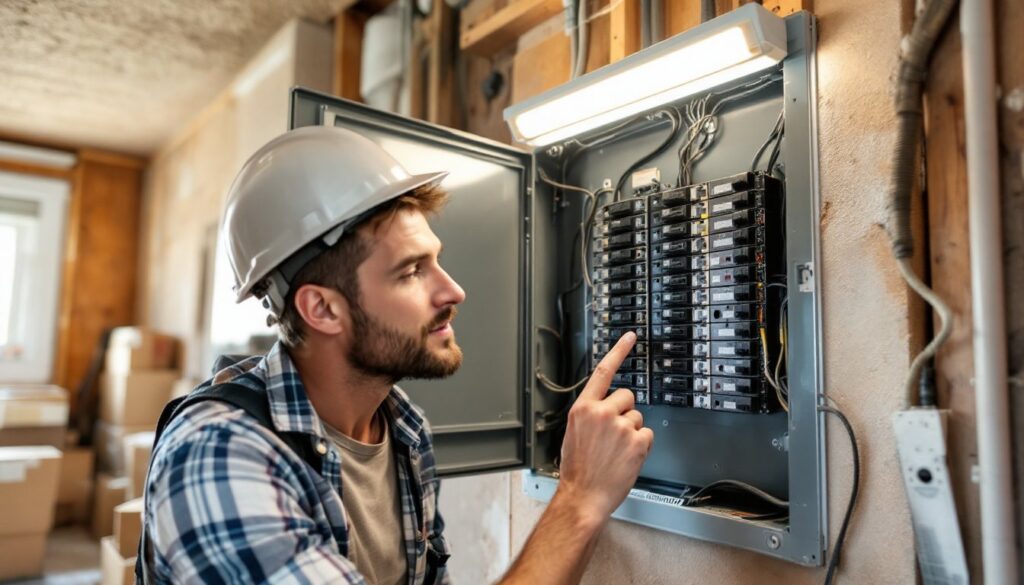
Your electrical panel is the nerve center of your home’s wiring. Start with the basics: is the panel accessible, or is it blocked by storage? Codes require a 30-inch clearance in front of the panel for safety and future service. Check the panel cover for signs of corrosion, moisture, or burn marks around breaker slots.
Look at the breakers themselves. Do any show signs of tripping (the toggle is partially between On and Off)? Repeated tripping means the breaker is doing its job by stopping an overload or fault, but it also signals a problem downstream. Count your active breakers against your panel’s rated capacity. A 200-amp panel should have breakers totaling no more than that. If breakers are double-stacked (tandem breakers) in single slots, note this, it’s legal only in certain panels and only for specific circuits.
Test GFCI breakers (if your panel has them) and standard breakers annually. Press the TEST button on a GFCI breaker: the breaker should trip immediately. Flip it back on. If it won’t hold, the breaker is failing and needs replacement. For standard breakers, simulate an overload by unplugging some devices and then turning the breaker fully off, then on. It should hold smoothly. If it trips immediately or feels loose, schedule an electrician visit.
Aluminum wiring in older panels is a separate concern. Aluminum corrodes when it contacts copper breakers, creating a fire hazard. If your panel has aluminum wire connections, an electrician should apply a corrosion-inhibiting compound (like Noalox) during your inspection. This is not a DIY fix.
Outlet and Switch Safety Checks
Outlets and switches are the hands-on part of your maintenance routine. Start monthly by walking through your home with a checklist. Look for outlets that feel warm, have discolored faceplates, or show scorch marks. These are fire warnings and need immediate attention.
Test GFCI outlets (usually in kitchens, bathrooms, garages, and outdoor areas) with the TEST button. The outlet should lose power. Press RESET to restore it. If testing fails or the outlet won’t hold power after reset, the outlet is faulty. GFCI outlets have a 15-25 year lifespan and eventually fail: it’s a simple replacement if you’re comfortable working with outlets, or a quick electrician call if not.
Check switches for loose faceplates or covers. A loose cover can expose live terminals and is a shock hazard. Tighten the small screws holding the faceplate. If a switch feels loose or crackly when flipped, it may have internal wear or corrosion. Mark it for replacement.
Inspect three-way switches (the ones that control one light from two locations) if they’re malfunctioning. These have more complex wiring, and troubleshooting is tricky. If a 3-way switch intermittently fails to control a light, or requires jiggling to work, replace it. If you’re not sure which is which, photograph the wiring before disconnecting anything, or let a professional handle it.
Monthly and Seasonal Maintenance Tasks
Build a simple routine into your home maintenance schedule. The effort takes 30 minutes to an hour per month and prevents costly surprises.
Monthly checks (first Sunday of the month works as a reminder):
- Walk through each room and test GFCI outlets by pressing TEST. Note any that won’t trip or reset.
- Look at outlet faceplates for warmth, discoloration, or scorch marks. Feel carefully around outlets, don’t insert fingers into slots.
- Check light switches for loose covers or crackly operation.
- Listen to the panel for unusual humming or buzzing. A slight hum is normal: loud buzzing or crackling is not. If you hear it, turn off non-essential circuits and call an electrician.
- Inspect any visible wiring in the basement, attic, or garage for damage, rodent gnawing, or water exposure.
Seasonal checks (spring and fall):
After winter or summer, extreme temperature swings stress connections. Do a thorough panel inspection: look for corrosion around breaker terminals, moisture inside the panel, or debris. If the panel has a main breaker that you’ve never tested, have an electrician test the main disconnect under load during a seasonal visit.
Check outdoor outlets and any weatherproof covers for cracks or water intrusion. Hose down the exterior of an outdoor meter or panel if it’s caked with dirt or debris, but do not open it. Recent studies on home maintenance checklists emphasize seasonal electrical checks as a top priority for preventing winter fire hazards and summer overloads.
After storms:
Lightning and power surges damage wiring and components silently. If your home experienced a nearby lightning strike or significant power surge, have an electrician perform a surge inspection. Check for scorch marks in the panel, around outlets, or on outlet covers. If you have surge protectors, they may have blown silently: replace any that look burned.
Annually (full inspection):
Once a year, perform a complete walk-through following the monthly and seasonal steps, plus a full panel inspection and a check of your electrical service entry (where power comes into the home from the pole). Look for damaged insulation on the service lines, missing or damaged conduit, or signs of animal damage. If you see any of these, call an electrician immediately. Smart home devices now include power monitoring, and many integrations with connected home technology can log outlet usage and alert you to unusual draws, helping flag failing appliances before they damage wiring.
When to Call a Licensed Electrician
Know your limits. Electrical work is not a place to learn on the job. Here’s a clear guide:
Call an electrician immediately for:
- Burning smell, scorch marks, or visible damage inside the panel
- Breakers that trip repeatedly or won’t stay on
- Outlets or switches that are warm or hot
- Flickering lights in multiple rooms (not just one light fixture)
- Buzzing sounds from the panel or outlets
- Any work involving the main service entrance or meter
- Aluminum wiring corrosion
- Installation of new circuits, subpanels, or heavy equipment
Call an electrician before DIY on:
- Replacing outlets or switches if you’re unsure of the wiring (hire a pro if you see aluminum wire, cloth insulation, or unfamiliar colors)
- Adding circuits or outlets beyond simple rewiring
- Upgrading panel capacity
- Any permit-required work (varies by jurisdiction, but includes service upgrades, new circuits, and major appliance installations)
You can typically handle yourself:
- Replacing outlet and switch faceplates
- Testing GFCI and AFCI breakers
- Tightening loose covers and connections (with power off)
- Replacing a standard outlet or switch if the old wiring is clearly marked, in good condition, and uses standard copper wire with modern insulation
Licensed electricians carry liability insurance and pull permits when required. They know local codes, spot hazards that DIYers miss, and guarantee their work. On the electrical system comparisons you’ll find online, professional inspection consistently outranks DIY checks for catching hidden problems.
Budget for a full panel inspection every 3–5 years ($150–$300, depending on your region). Spot repairs or outlet replacements run $75–$200 per visit. It’s cheaper than emergency service calls at midnight and far cheaper than a fire caused by an overlooked hazard.
Conclusion
An electrical maintenance program is about consistency, not perfection. Monthly outlet checks, seasonal panel walk-throughs, and professional inspections every few years keep your system safe and efficient. You don’t need special skills, just awareness and the judgment to call a professional when you’re unsure. Start this month: test your GFCI outlets, check your panel for visible damage, and schedule an inspection if you haven’t had one in five years. Your future self will thank you when your lights stay on and your home stays safe.