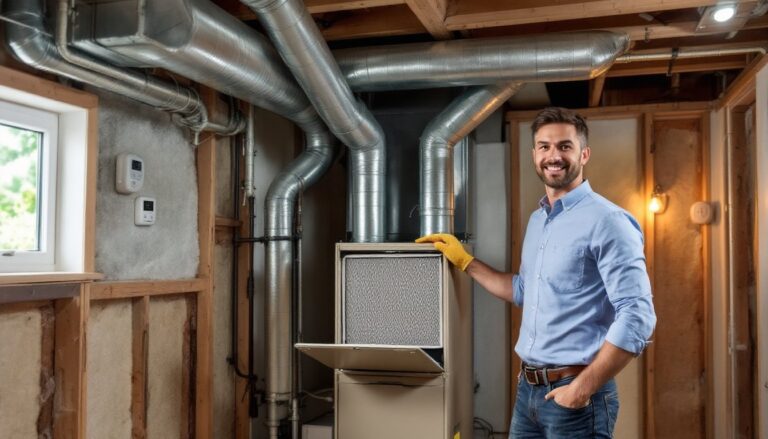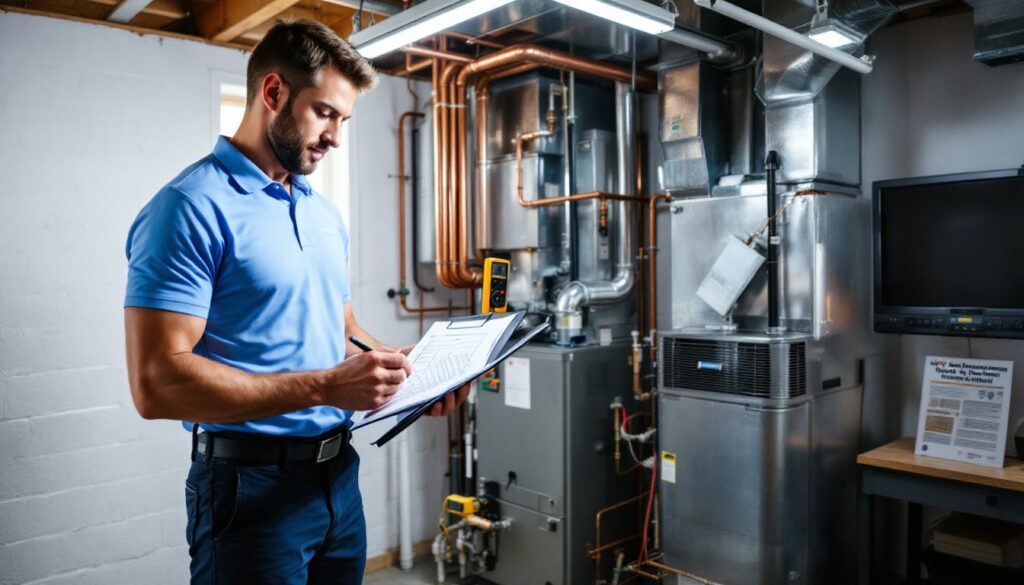
An HVAC maintenance agreement is a proactive way to keep your heating and cooling system running smoothly without surprise breakdowns or expensive repairs. Unlike waiting until something fails, a maintenance plan puts you on a regular schedule with a licensed HVAC contractor, ensuring your system gets the attention it needs before minor issues become major headaches. Whether you’re a homeowner looking to extend your system’s lifespan or simply tired of emergency service calls at inconvenient times, understanding what these agreements offer and how to choose the right one can save you thousands of dollars over the life of your equipment. This guide walks you through the essentials of HVAC maintenance agreements and how to pick the plan that works best for your home.
Table of Contents
ToggleKey Takeaways
- An HVAC maintenance agreement provides scheduled preventive care visits twice yearly, helping you avoid costly emergency repairs and extend your system’s lifespan by 3–4 years or more.
- Regular HVAC maintenance can reduce your energy bills by 5–15% monthly and costs just $150–$400 annually, making it a cost-effective investment compared to replacement costs of $5,000–$15,000.
- Before signing an HVAC maintenance agreement PDF, verify the exact scope of work, parts and labor coverage, emergency response times, cancellation terms, and proof of licensing and insurance.
- Choose a maintenance plan based on your system’s age: basic coverage for equipment under 5 years old, or mid-tier plans with parts coverage for systems 10+ years old that fail more frequently.
- Compare quotes from at least three contractors, prioritizing those who explain coverage clearly and offer price lock guarantees of 1–2 years rather than selecting based solely on lowest upfront cost.
- Ensure your maintenance agreement specifies what constitutes an ’emergency,’ whether parts are covered, and whether the plan is transferable—critical details that protect both your system and your wallet.
What Is an HVAC Maintenance Agreement?
An HVAC maintenance agreement is a contract between you and an HVAC contractor that guarantees regular service visits on a set schedule, typically twice a year, once in spring and once in fall. During these visits, the technician inspects, cleans, and adjusts your furnace, air conditioner, heat pump, and related components to keep everything operating at peak efficiency.
These aren’t repair contracts. A maintenance plan focuses on preventive care: checking refrigerant levels, inspecting electrical connections, cleaning or replacing filters, lubricating moving parts, and testing system controls. The goal is catching problems early before they spiral into costly repairs or system failure.
Most agreements include additional perks beyond scheduled visits. You’ll often get priority service if an emergency does occur, discounts on repairs needed outside the maintenance scope, and sometimes parts coverage for certain components. Some plans even waive the service call fee when you need emergency repairs, though you’ll still pay for parts and labor beyond routine maintenance.
Key Benefits of Regular HVAC Maintenance Plans
A well-maintained HVAC system runs more efficiently, which directly lowers your energy bills. When coils are clean, filters are fresh, and refrigerant is at the correct charge level, your system doesn’t have to work as hard to heat or cool your home. You could see 5–15% savings on monthly heating and cooling costs, depending on how neglected your system was before enrolling.
Regular maintenance also extends the life of your equipment. Most HVAC systems cost $5,000–$15,000 to replace, and a maintenance agreement often costs just $150–$400 per year. If regular tune-ups add even three or four years to your system’s lifespan, you’ve already made back your investment.
There’s also peace of mind. No more worrying whether your furnace will start on the first cold snap or if your AC will fail on the hottest day of summer. Scheduled visits catch failing capacitors, worn belts, and refrigerant leaks before they leave you without heat or air conditioning when you need it most.
Emergency repairs are expensive, often $500–$2,000+ for a service call plus parts. A maintenance agreement typically includes priority scheduling and sometimes discounts on repair labor, softening the blow if something unexpected does happen between planned visits.
Essential Elements to Include in Your Agreement
Before signing an HVAC maintenance agreement, make sure it explicitly covers the scope of work. The agreement should list exactly what gets inspected and serviced: compressor, condenser coil, evaporator coil, blower motor, thermostat, ductwork (if applicable), electrical connections, and refrigerant levels. Vague language like “routine maintenance” can leave you guessing about what’s actually included.
Check whether the plan covers parts and labor or just labor. Some agreements include parts for common wear items like filters and belts: others require you to pay for parts separately. High-end plans may cover refrigerant and even compressor failure, while basic plans might only cover diagnostics and adjustments.
Serviceability and response time matter. Does the contractor offer 24/7 emergency service? What’s the typical wait time for a non-emergency call? If you live in a rural area, confirm the contractor actually serves your zip code, some plans don’t cover remote locations.
Read the cancellation and renewal terms. Can you cancel without penalty if you’re unhappy? Do you need to renew annually, or does the plan auto-renew? Are there any price lock guarantees if you renew, or can rates increase significantly?
Finally, confirm that the contractor is licensed, bonded, and insured. Your agreement should reference their license number and insurance coverage. This protects you if something goes wrong during service.
Understanding Service Frequency and Coverage Options
Most standard plans include two visits per year: a spring tune-up before cooling season and a fall tune-up before heating season. This aligns with the seasonal shifts when your system switches between modes and faces peak demand.
Some contractors offer quarterly or even monthly plans for aging systems or homes with unusual climate control needs. If your furnace is 15+ years old or your system runs year-round due to humidity control, more frequent visits might make sense. But, for typical homes with standard equipment, twice-yearly service is the sweet spot, regular enough to catch problems without unnecessary visits.
Coverage tiers vary widely. A basic plan typically includes diagnostic visits, filter changes, and adjustments. Mid-tier plans add parts coverage for items like capacitors, contactors, and blower motors. Premium plans might include compressor failure coverage or even full system replacement protection.
Understand what “emergency” means in your contract. Is a failed compressor considered an emergency covered under your plan’s priority service, or do you pay full retail rates? Some agreements cap emergency visit charges at a flat fee (e.g., $50–$100) while you pay for parts and repairs separately. Others simply guarantee priority scheduling but no discount.
When comparing plans, ask about seasonal adjustments too. Some contractors charge more for summer AC service or winter heating service because demand is higher. A good agreement locks in a flat rate regardless of season.
Comparing Contract Terms and Pricing Models
HVAC maintenance plans typically run $150–$400 per year for basic coverage, though premium plans can exceed $500. The price depends on your location, system age, equipment type (a heat pump costs more to service than a furnace alone), and what’s included.
Some contractors bundle maintenance with a service plan that covers repairs. These combo deals might cost $300–$600 annually but could save you 20–30% on repair labor when something goes wrong. Others offer maintenance-only plans where you pay as you go for repairs, lower upfront cost, but no labor discounts.
Be wary of “too good to be true” pricing. A $99/year maintenance plan might sound great until you realize it only covers a 15-minute inspection with no parts included. Compare apples to apples: what exactly gets serviced, what parts are covered, and what you pay for repairs if something breaks.
Ask about price lock guarantees. A reputable contractor will lock in your annual rate for at least 1–2 years. If rates climb after that, you should receive written notice with a reasonable increase (typically 5–10%, not 50%).
Read reviews on HomeAdvisor and Angi to see what other homeowners paid for similar plans in your area. This gives you realistic pricing benchmarks and insight into contractor reputation. Look for feedback about whether the contractor actually shows up on schedule and performs thorough inspections.
Tips for Choosing the Right HVAC Maintenance Plan for Your Home
Start by assessing your system’s age and condition. If your furnace or AC is under 5 years old and running well, a basic maintenance plan is probably sufficient. If your system is 10+ years old, a mid-tier plan with parts coverage makes more sense because older equipment fails more often.
GetService quotes from at least three contractors before deciding. Don’t just compare price: evaluate their professionalism, how thoroughly they explain what’s covered, and whether they answer all your questions. A contractor who rushes through a quote without discussing your system’s specifics isn’t the best choice, even if they’re the cheapest.
Verify licensing and insurance. Contact your state’s licensing board to confirm the contractor holds a valid HVAC license. Ask for proof of general liability and workers’ compensation insurance. If something goes wrong, a leak, electrical damage, or injury, you want to know the contractor is covered.
Check what happens if you sell your home. Some plans are non-transferable: others allow the new owner to assume the agreement. If you’re planning to sell within a few years, a transferable plan adds value to your property.
Finally, consider your comfort with DIY filter changes. Many plans include filter replacement, but if you’re handy, you can save a few dollars annually by doing this yourself between visits. Some contractors are happy to credit you $20–$40 if you change filters on your own schedule, ask.
Resources like Today’s Homeowner offer seasonal maintenance checklists and guides to help you stay on top of tasks between professional visits. This partnership between routine homeowner care and scheduled professional service maximizes efficiency and catches problems early.
Conclusion
An HVAC maintenance agreement is one of the smartest investments a homeowner can make. It protects your system, lowers energy costs, prevents emergency breakdowns, and gives you predictable annual expenses instead of surprise repair bills. Take time to review what’s actually covered, compare multiple contractors, and choose a plan that matches your system’s age and your budget. A small commitment now pays dividends in reliability and peace of mind for years to come.