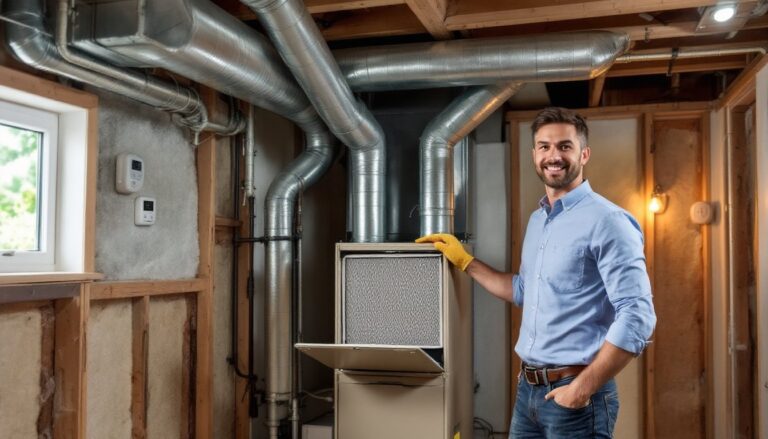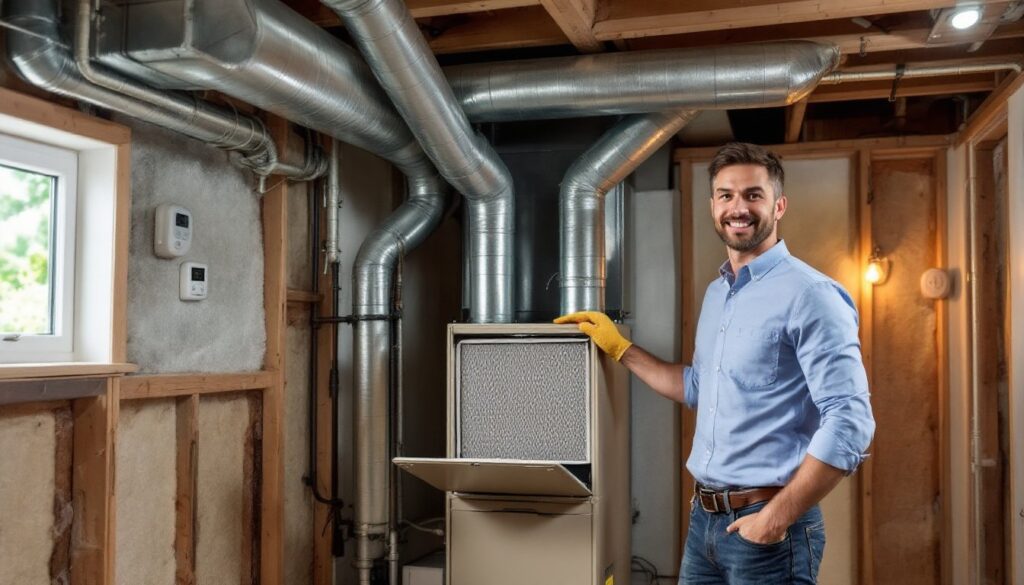
Franklin’s humid summers and cold winters put serious demands on HVAC systems. If you own a home here, keeping your heating and cooling equipment running smoothly isn’t optional, it’s essential for comfort and energy efficiency. The good news: you don’t need a license to perform basic HVAC maintenance. Regular upkeep prevents costly breakdowns, extends system life, and keeps your energy bills in check. This guide walks you through the maintenance tasks every homeowner can handle, plus the warning signs that call for a professional.
Table of Contents
ToggleKey Takeaways
- HVAC maintenance Franklin homes is critical due to the region’s extreme seasonal demands—hot, humid summers and freezing winters that accelerate wear on heating and cooling equipment.
- Regularly replacing air filters every 1–3 months is the easiest and highest-impact DIY task, preventing efficiency loss and extending your system’s lifespan to 15–20 years.
- Seasonal maintenance in spring and fall—cleaning outdoor condenser units, inspecting ductwork, and clearing vents—prevents costly breakdowns during peak usage periods when repair costs surge.
- Know when to call a professional: signs like no cooling or heating, strange noises, burning smells, water pooling, or frequent short cycling require licensed technicians and should never be ignored.
- Safe DIY tasks include cleaning ductwork with mastic sealant, straightening condenser fins, vacuuming return vents, and testing thermostats, but avoid any work involving refrigerant, electrical systems, or gas lines.
Why Regular HVAC Maintenance Matters in Franklin’s Climate
Franklin’s climate creates unique stress on HVAC equipment. Summers are hot and humid, forcing air conditioners to run hard for months. Winters bring freezing temperatures that demand constant heating. That cycle, intense cooling, then intense heating, wears components faster than milder climates.
Your system works year-round here, unlike regions with truly mild seasons. A furnace that runs just a few weeks per year in the South still accumulates dust, corrosion, and wear. An air conditioner pushing through 90°F+ days with 70% humidity loses efficiency if filters clog or coils get dirty.
Regular maintenance catches problems early. A unit running at full efficiency uses less electricity, costs less to operate, and lasts 15–20 years instead of 10. Neglected systems often fail during peak season, summer or winter, when HVAC techs are booked solid and service calls cost premium rates.
How to Change Your Air Filter Regularly
The air filter is your first line of defense. It traps dust, pet hair, pollen, and debris before they enter the system. A clogged filter forces your blower to work harder, raising energy costs and reducing cooling or heating efficiency.
Check your filter every month. Hold it up to a light source. If you can’t see light through it, it’s time to replace it. Most residential filters need changing every 1–3 months depending on pets, allergies, and local air quality.
Measure your current filter’s dimensions (typically 16×25×1, 20×25×1, or 16×20×4). Buy replacement filters that match exactly, sizing matters. Standard disposable fiberglass filters ($5–15) work fine for most homes. If anyone in your household has allergies or asthma, MERV-11 or MERV-13 pleated filters ($15–30) capture smaller particles.
To replace it:
- Turn off your heating or cooling system.
- Locate the filter (usually in a return air plenum, basement, or attic).
- Note the arrow printed on the old filter’s frame, it points in the direction of airflow.
- Slide out the old filter and dispose of it.
- Insert the new filter with the arrow pointing into the ductwork.
- Turn the system back on.
That’s it. One person, ten minutes, huge payoff.
Seasonal Maintenance Checklist for HVAC Systems
Spring and Summer Preparation
Before cooling season hits, prep your air conditioner. Start in late April or early May to avoid rush scheduling.
Outdoor condenser unit: The condenser sits outside and sheds heat from your home. Clean it gently with a soft brush or hose. Turn off power at the disconnect switch first, then spray water around the coil fins to remove dust and pollen, spray downward only, never upward. Never use a pressure washer (it can bend fins). Check that plants, fences, or debris aren’t blocking airflow. The unit needs at least 2–3 feet of clear space on all sides.
Thermostat: Switch from “heat” to “cool” mode and test that cold air flows from your vents. If the system doesn’t kick on or feels weak, something’s wrong, call a tech.
Refrigerant lines: Look for damaged insulation on the copper tubes running from the indoor unit to the outdoor condenser. If it’s cracked or missing, that’s a professional repair.
Ductwork sealing: Walk through your attic (safely, on joists) and inspect visible ducts for gaps or disconnections. Seal seams and small leaks with mastic sealant, not duct tape (tape degrades in heat). Large disconnections require a professional.
Fall and Winter Readiness
Before heating season, prepare your furnace. Start in September or October.
Furnace air intake and exhaust vents: Check the exterior vents (usually on the side of your house). Make sure nothing’s blocking them. After leaves fall, debris can choke airflow. Clear vents by hand or with a soft brush.
Ductwork inspection: Again, walk the attic and look for gaps, crushed sections, or disconnects. Heating season reveals leaks fast, you’ll feel cold spots. Seal small gaps with mastic: call a pro for structural damage.
Blower assembly: Some furnaces allow easy access to the blower wheel. If yours does and you’re comfortable, gently vacuum out dust with a shop vac’s brush attachment. Don’t touch the motor or wiring. If you’re unsure, skip it.
Carbon monoxide detector: Install or check one near your furnace and one on each sleeping level. Battery-powered detectors need fresh batteries in fall. This is non-negotiable, CO is odorless and deadly.
Signs Your HVAC System Needs Professional Attention
Some problems are DIY territory. Others aren’t. Know the difference.
Call a technician immediately if:
- No cooling or heating. If your system runs but produces no conditioned air, refrigerant may be low (AC) or a heating element failed (furnace). Both require licensing.
- Strange noises: A loud bang, squeal, or grinding from the furnace or condenser means a component is failing. Squeaks sometimes indicate dry bearings (fixable), but bangs suggest impending collapse.
- Burning smell: If you smell burning plastic or acrid smoke from vents, turn the system off immediately. Wiring insulation or belt failure is dangerous.
- Water pooling around the indoor unit: A blocked condensate drain or failed pump needs professional clearing and repair.
- Uneven cooling or heating: Some rooms ice cold while others stay warm suggests ductwork leaks, damper failure, or distribution problems. HomeAdvisor’s repair guides cover when DIY makes sense.
- Frequent short cycling: The system turns on and off every few minutes instead of running steady. This wastes energy and stresses components.
Don’t ignore these. Delaying repair often turns a $300 fix into a $2,000 replacement.
DIY Maintenance Tasks Every Homeowner Can Handle
You don’t need a license for these tasks. They’re safe, save money, and make real difference.
1. Clean or replace air filters monthly. Already covered, this is the single biggest win.
2. Keep outdoor unit clear. Trim back grass and shrubs. Remove leaves, sticks, and pollen buildup quarterly. A clean condenser radiates heat far better than a smothered one. Bob Vila’s DIY guide has visual walkthroughs for outdoor unit maintenance.
3. Check and seal visible ductwork. Walk your attic or crawlspace and look for disconnected sections and gaps. Use mastic sealant (a rubber-like adhesive) and fiberglass mesh tape to seal seams. Avoid duct tape, it fails in temperature extremes.
4. Straighten bent condenser fins. The aluminum fins on your outdoor unit can get crushed by weather or accidentally during cleaning. A fin comb (a cheap tool at any hardware store, $8–15) can carefully straighten them. Work gently, those fins are thin.
5. Vacuum air returns and vents. Use a shop vac or household vacuum to pull dust and pet hair from return-air grilles inside your home. This improves filter longevity and airflow.
6. Inspect refrigerant lines for damage. Look for cracked or peeling foam insulation on the copper tubing. Small nicks require professional repair, but visible cracks indicate a future leak.
7. Test your thermostat. Manually set it a few degrees above or below room temperature and confirm the system responds. If it doesn’t, replace batteries (if wireless) or call a tech.
8. Check carbon monoxide detectors. Replace batteries in fall, test them monthly. If yours ever alarms, evacuate and call 911. Angi’s home safety resources include CO detector placement guidelines.
What requires a professional license:
- Handling refrigerant (R-410A or other coolants)
- Electrical work beyond thermostat wiring
- Gas line repairs on furnaces
- Compressor or motor replacement
- Any work requiring access to sealed refrigerant loops
Florida doesn’t require a permit for basic homeowner maintenance, but if your work damages the system or violates your home warranty, you’re liable. When in doubt, hire a licensed HVAC technician, it costs far less than a system replacement.