Imagine coming home after a long day, only to discover that your fridge has given up on life, leaving you with a mountain of spoiled food. Bummer, right? But here’s the silver lining: home insurance that covers appliances could save your bacon, or at least your groceries. Let’s jump into the frigid waters of home insurance, exploring how it can protect your beloved appliances from unexpected mishaps. With knowledge on your side, you can avoid unnecessary repair bills and keep your kitchen functioning smoothly.
Understanding Home Insurance Basics

Home insurance is a safety net designed to protect homeowners from financial losses related to their property. It typically includes coverage for the structure of the home and personal property. But many are unaware that it can also extend to include appliances. In essence, home insurance offers two main types of coverage: dwelling coverage, which protects the physical structure of the home, and personal property coverage, which safeguards your belongings inside, including appliances.
Understanding how home insurance works begins with knowing its components. Premiums, the amount you pay for your coverage, are influenced by various factors, including the home’s location, its value, and your personal claims history. A general rule of thumb states that the higher the risk, the higher the premium. It’s imperative to read through the policy to grasp what’s covered and what isn’t, especially about appliances. Ignorance can be costly if a claim.
Types of Coverage for Appliances
There are various forms of home insurance policies and coverage types specifically for appliances. The first key term to understand is actual cash value (ACV). This type of coverage reimburses you for the depreciated value of your appliance at the time it was damaged. For example, if your ten-year-old refrigerator breaks down, your payout will reflect its current worth, not what you originally paid.
The second important type is replacement cost coverage. This provides reimbursement based on the cost of replacing the appliance with a new one of the same kind and quality. If your washing machine is damaged beyond repair, replacement cost coverage ensures you get enough funds to buy a brand-new model.
Some policies may offer endorsements or riders that specifically add appliance coverage, enhancing your basic policy. These add-ons often cover appliances against specific risks like power surges or breakdowns, which aren’t typically included in standard policies.
Why You Need Appliance Coverage
Have you ever pondered why appliance coverage might be a good idea? Well, consider this: major appliances represent a significant investment. If a power surge takes out your dishwasher and stovetop, you could be facing hundreds or even thousands of dollars in replacement costs. Without appliance coverage, homeowners could be left shouldering that financial burden alone.
For many, kitchen and laundry appliances are essential in day-to-day life. The hassle of living without a refrigerator or washing machine for an extended period is substantial. Appliance coverage not only provides peace of mind but also ensures that you can quickly replace or repair your items without emptying your wallet.
Common Appliances Covered by Home Insurance
So what appliances are generally covered under home insurance? The good news is that some policies include a wide range of appliances intended for everyday use:
- Refrigerators: Helps keep your groceries fresh.
- Ovens and Stoves: Crucial for meal preparation.
- Dishwashers: A time-saver for busy households.
- Washing Machines and Dryers: Essential for maintaining clean clothes.
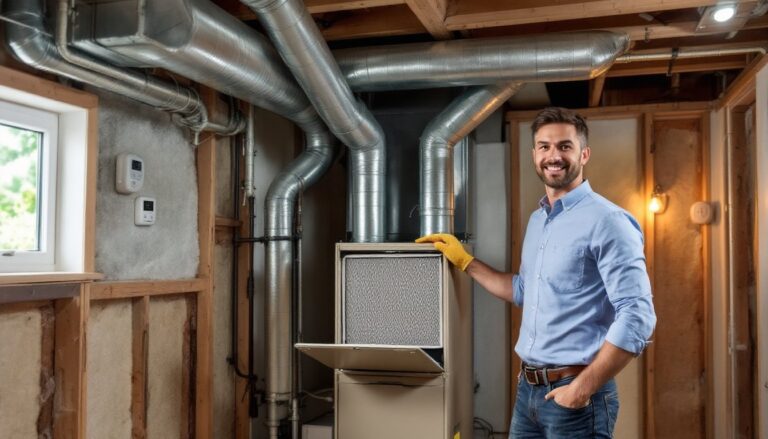
Also, some policies may also extend coverage to more luxury appliances like built-in microwaves and even HVAC systems. But, coverage can vary between policies, so careful review is essential.
Factors That Impact Coverage and Premiums
When shopping for home insurance, several factors impact whether your appliances are covered and how much you will pay. For starters, the age and condition of your appliances play a role. Older appliances may be prone to breakdowns and so might have higher premiums or limited coverage.
Also, the overall level of coverage you select affects your premium. More extensive coverage typically results in higher insurance costs. The location of your home is also a significant factor. Areas prone to extreme weather conditions or power outages may lead to increased rates, as these factors could elevate risks for appliance failure.
Also, your claim history is vital. If you’ve previously made several appliance-related claims, insurers may consider you a higher risk. Keeping your appliances in good condition and maintaining them regularly can lead to better rates.
How to Choose the Right Policy
Selecting the right policy for appliance coverage can feel daunting. To start, it’s wise to assess your needs. Consider which appliances you use the most and their value. Create a list of your major appliances and their estimated replacement costs. This will help you define which coverage options align best with your lifestyle.
Next, compare various insurance providers. Don’t hesitate to ask for quotes, and inquire explicitly about their appliance coverage options. Pay close attention to the policy limits, deductibles, and exclusions. Some policies might have specific clauses that void appliance coverage under certain conditions, so read the fine print carefully.
Finally, consult with an insurance agent for tailored advice. An expert can guide you through the maze of options and help you find a suitable policy that meets your needs while fitting your budget.