Picture this: It’s a hot summer day, and all you want is to take a dip in your perfectly sparkling pool. But wait. A quick glance shows more green goo than glistening blue. Enter pool maintenance kits, your trusty sidekick in the battle against murky water. These kits are like superhero toolboxes, designed to keep your swim spot clean and inviting. So, let’s jump into the world of pool maintenance kits and uncover why they’re essential for any pool owner. After all, who says cleaning can’t be a little fun?
Understanding Pool Maintenance Kits
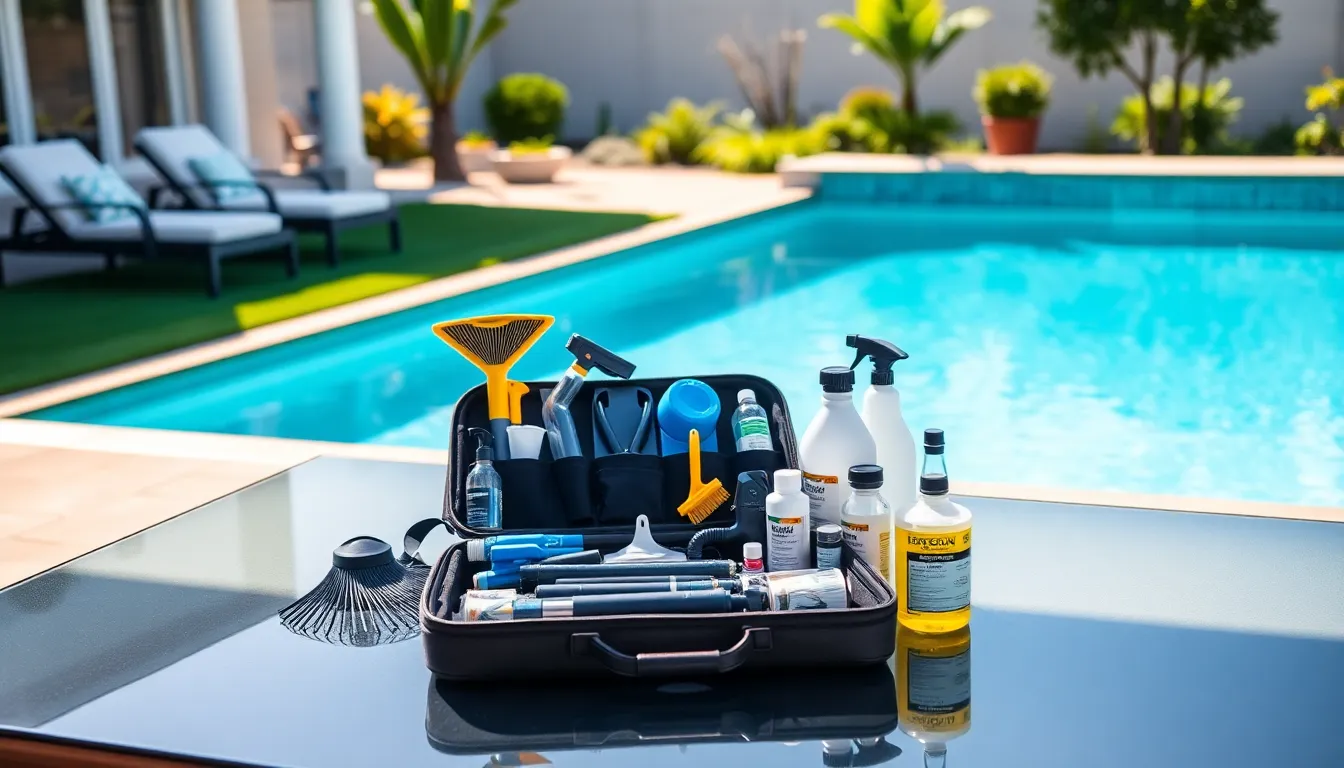
Pool maintenance kits are essential for anyone looking to keep their oasis clean and refreshing. These kits simplify the usually laborious task of pool maintenance. They combine different tools and chemicals necessary for cleaning, testing, and treating pool water. Having a kit on hand means you no longer have to scramble around looking for specific tools or chemicals, everything is in one convenient place. Think of it as your Swiss Army knife of pool care, compact, efficient, and incredibly useful. But what exactly is in these kits? Let’s explore further.
Types of Pool Maintenance Kits
When it comes to pool maintenance kits, one size definitely doesn’t fit all. Several types cater to different needs and pool types.
- Basic Pool Maintenance Kits: These usually include pool skimmers, brushes, and simple testing kits for pH and chlorine levels.
- Advanced Pool Maintenance Kits: For those managing larger or more complicated pools, these kits often contain far more sophisticated equipment, including robotic cleaners and automated testers.
- Specialty Kits: Some kits are tailored for specific pool types, like inflatable pools or above-ground models. Each type has its own set of tools designed for optimal care.
Key Components of a Pool Maintenance Kit
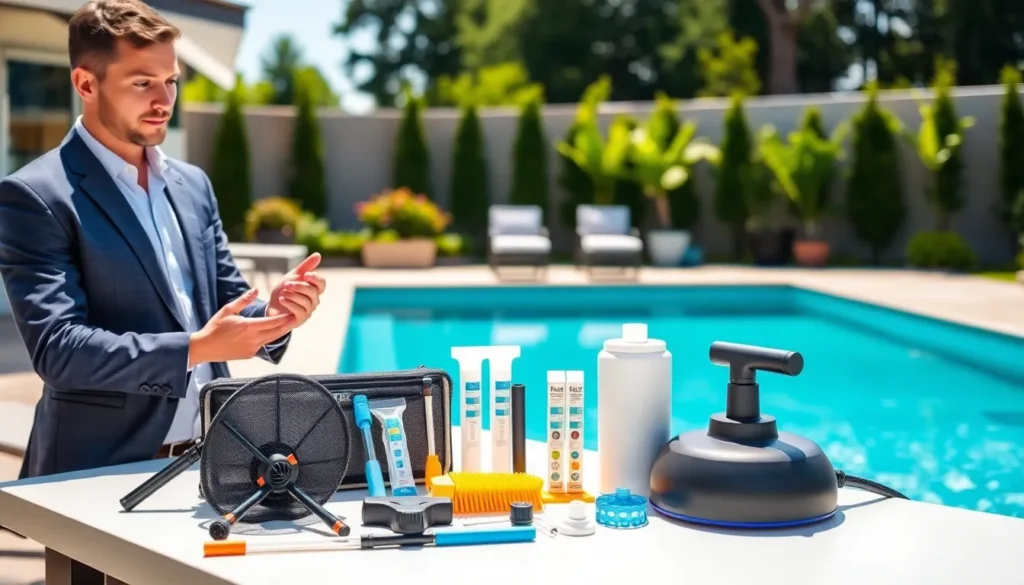
A basic pool maintenance kit should include a few essential components. When equipped with these items, maintaining a clean pool becomes much less challenging. Here are some key elements:
- Skimmer Net: Crucial for scooping out leaves, insects, and other debris from the surface of the water.
- Pool Brush: Used for scrubbing the walls and floor, this can help remove algae and other stains that like to cling.
- Vacuum: Whether manual or automatic, a good vacuum helps remove dirt and debris from the pool floor.
- Test Strips or Kits: Essential for checking chemical levels, ensuring the water is safe and balanced.
- Chemical Treatments: These usually include chlorine or other sanitizers to keep your water clean and clear.
How to Choose the Right Pool Maintenance Kit
Choosing the right pool maintenance kit can feel a bit overwhelming with so many options available. Here’s a handy guide to streamline your selection process:
- Assess Your Pool Size: Larger pools may require advanced kits with more powerful pumps and cleaners, while smaller pools might do just fine with basic kits.
- Consider Your Maintenance Routine: How often does he or she want to clean? If regular maintenance is on the agenda, investing in a premium kit may pay off in the long run.
- Evaluate Pool Type: Depending on whether it’s an above-ground or in-ground pool, some kits may be better tailored to your needs.
Best Practices for Using Pool Maintenance Kits
Maximizing the effectiveness of a pool maintenance kit involves using it the right way. Here are some best practices:
- Regular Checks: Daily or weekly checks can save time and effort later on. Checking chemical levels, for instance, helps catch issues early.
- Proper Storage: Store your pool maintenance kit in a cool, dry place, and ensure all tools are cleaned and dried before storing.
- Follow Instructions: Always adhere to the manufacturer’s guidelines about chemical use and equipment operation. Ignoring these can lead to costly mistakes.
Common Mistakes to Avoid in Pool Maintenance
While maintaining a pool might seem straightforward, many pool owners fall into a few common traps. Here are some mistakes to dodge:
- Skipping Regular Testing: Not regularly testing the water can lead to imbalances that create bigger problems down the road.
- Overusing Chemicals: More isn’t always better. Overusing chlorine or other chemicals can cause skin irritation and damage the pool surfaces.
- Neglecting the Equipment: Failure to clean and maintain your cleaning tools can hinder their performance, leading to more work in the long run.