Deck stability might not sound like the most thrilling topic, but it’s the unsung hero of outdoor living. Picture this: you’re hosting a barbecue, and suddenly your deck feels like it’s auditioning for a role in a shaky horror movie. No one wants their guests doing the limbo as they try to keep their balance!
Understanding Deck Stability
Deck stability refers to the structural integrity and safety of a deck. It ensures that the deck can support weight without swaying, shifting, or collapsing.
Definition of Deck Stability
Deck stability involves the ability of the deck structure to maintain its position and withstand environmental forces. Key factors include support post alignment, load distribution, and proper anchoring techniques. An adequately stable deck features a strong foundation and appropriate materials, ensuring it remains level and secure under pressure.
Importance of Deck Stability
Maintaining deck stability plays a critical role in outdoor safety. An unstable deck increases the risk of accidents during social gatherings, as guests may lose their balance. Inadequate stability may lead to costly repairs and potential injury claims. Homeowners benefit from understanding deck stability by ensuring their outdoor space is functional and safe. Regular inspections and maintenance further enhance the overall stability and longevity of the deck structure.
Factors Affecting Deck Stability
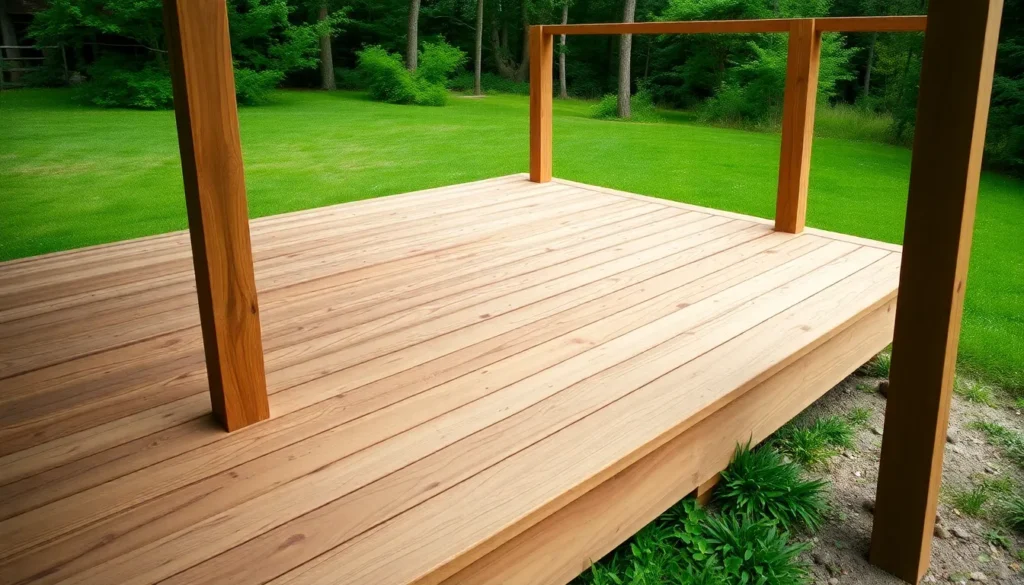
Deck stability relies on several critical factors that determine its overall safety and integrity. Understanding these elements helps ensure a safe outdoor environment.
Structural Design
Effective structural design plays a vital role in maintaining deck stability. Design aspects include the configuration of support posts and the arrangement of beams. Proper spacing between the support posts can distribute weight evenly across the structure. Additionally, incorporating cross-bracing enhances lateral stability. Decks designed with a solid foundation withstand various loads and reduce swaying or shifting. Ensuring adherence to local building codes also contributes to reliable design practices.
Materials Used
Material selection significantly influences the durability and strength of a deck. Using high-quality materials ensures resistance to weather and wear. For example, pressure-treated wood resists decay and insects, while composite materials offer low maintenance and longevity. Metal components can provide added structural support in burdened areas. Evaluating each material’s properties assists in making informed choices that enhance deck stability. Ultimately, selecting appropriate materials ensures a safer, more stable outdoor space.
Environmental Conditions
Environmental conditions directly impact deck stability. Factors such as wind, rain, and temperature fluctuations can lead to structural strain. For instance, heavy rain may erode the ground beneath support posts, compromising the foundation. Wind can exert pressure on a poorly anchored deck, causing it to sway or shift. Seasonal temperature changes may result in material expansion or contraction, affecting the structure. Regular assessments help address issues arising from environmental factors, preserving deck integrity over time.
Methods for Assessing Deck Stability
Assessing deck stability involves multiple approaches that ensure safety and structural integrity.
Load Testing
Load testing measures a deck’s capacity to support weight. It involves applying weights to various sections of the deck while monitoring for any signs of movement or failure. This process helps identify weak points within the structure, allowing for targeted repairs. Conducting load tests according to industry standards ensures reliable results. Regular testing of existing decks is crucial, especially after significant modifications or weather-related damage. Accurate assessment supports the deck’s ongoing stability and safety, reducing the risk of accidents.
Simulation Tools
Simulation tools offer advanced methods for analyzing deck stability. These software applications model various loads and environmental conditions, predicting the deck’s performance under stress. Users can input different materials and structural designs to analyze how changes impact overall stability. Such simulations help homeowners and builders visualize potential issues before construction. By utilizing simulation tools, it is easier to prioritize areas needing reinforcement. Combining real-time data with simulations yields comprehensive insights into deck performance under various conditions.
Best Practices for Ensuring Deck Stability
Regular inspections play a vital role in maintaining deck stability. Homeowners should conduct visual checks at least twice a year and after severe weather events. These assessments focus on identifying cracks, warping, and rusted fasteners to ensure structural integrity. Checking for water damage around support posts helps prevent unseen issues. During inspections, homeowners can also assess the alignment of support posts and look for any signs of shifting.
Maintenance strategies help prolong deck stability and enhance overall safety. Applying a quality sealant to wood surfaces protects against moisture and UV damage, reducing deterioration. Cleaning debris from gutters and around the deck prevents water accumulation, which can weaken structural components. Reinforcing existing supports with additional brackets or screws increases load-bearing capacity. Raising awareness about these strategies encourages proactive care, contributing to a safer outdoor experience.
Ensuring deck stability is vital for creating a safe and enjoyable outdoor space. By understanding the key factors that contribute to a deck’s structural integrity, homeowners can take proactive measures to maintain stability and prevent accidents. Regular inspections and maintenance are essential in identifying potential issues before they escalate.
Investing time in quality materials and effective design will enhance durability against environmental stresses. With these strategies in place, outdoor gatherings can be enjoyed without the worry of instability. Prioritizing deck stability not only protects loved ones but also enhances the overall value of the home.