


When life throws a tantrum and your fridge decides to take an unexpected vacation, you might wonder if your home insurance has your back. After all, appliances aren’t just metal boxes; they’re the unsung heroes of daily life, tirelessly keeping your food fresh and your clothes clean. But does home insurance really cover these household workhorses?
Understanding Home Insurance
Home insurance plays a crucial role in protecting a residence and its contents. Coverage varies depending on the policy type, affecting the level of protection for household items. This includes appliances such as refrigerators, washers, and dryers.
Policies generally cover damage from specific perils, like fire, theft, or vandalism. However, routine wear and tear or maintenance issues won’t receive coverage. Many homeowners assume all appliances are covered under their insurance, but exclusions often apply.
Replacement cost benefits might differ from actual cash value benefits. For example, policies that offer replacement cost pay the current cost to replace an appliance without depreciation deductions. In contrast, actual cash value policies consider depreciation, leading to lower payouts for damaged items.
Additional coverage options exist for appliances. Homeowners can purchase endorsements or riders specifically intended for item protection. These enhancements tailor the insurance to meet individual needs, especially for high-value or specialty appliances.
Understanding policy details helps homeowners make informed decisions. Reading the fine print of home insurance policies provides clarity on what is included. Consulting with insurance agents can further clarify coverage specifics. Exploring unique situations, like flood damage or power surges, may also be necessary for appliance coverage.
Knowledge of home insurance ensures homeowners are well-prepared for unexpected appliance failures. Review existing policies regularly to confirm adequate coverage for appliances while keeping in mind any changes in home value or asset acquisition.
Types of Coverage
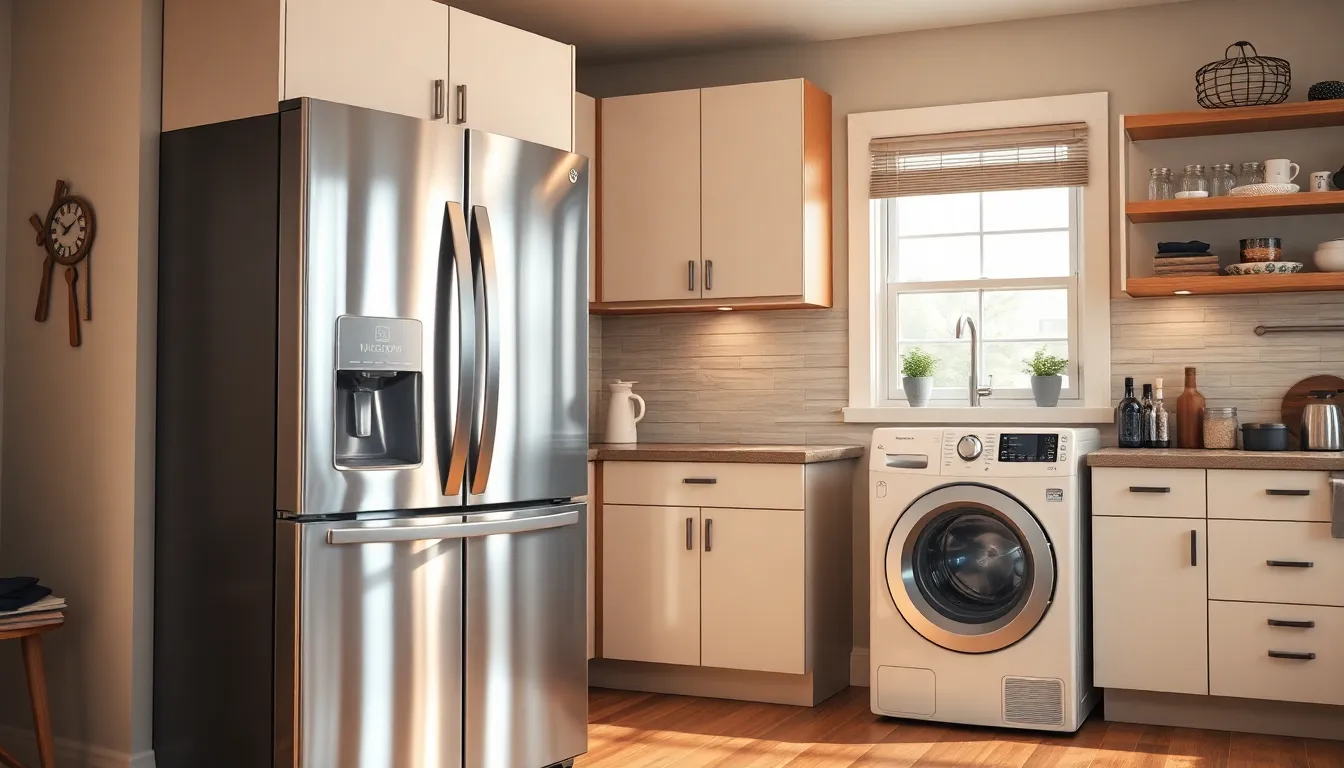
Understanding the types of coverage available for household appliances is essential for homeowners evaluating their home insurance policies. Policies generally offer different levels of protection based on specific conditions.
Actual Cash Value Coverage
Actual cash value coverage compensates for the depreciated value of appliances. It factors in depreciation, meaning homeowners receive a lower payout than the current replacement cost. For example, a five-year-old refrigerator might fetch significantly less than a new model. Claims adjusters calculate actual cash values based on an appliance’s age and condition at the time of loss. Homeowners should recognize this limitation when assessing their policies, as some may find that the payout doesn’t fully cover the expense to replace a damaged or malfunctioning appliance.
Replacement Cost Coverage
Replacement cost coverage provides a more favorable payout based on the cost to replace an appliance with a new equivalent. Instead of factoring in depreciation, this coverage ensures homeowners receive enough funds to purchase a similar item at current prices. For example, if a washing machine needs replacement, the policy would cover the cost of a new washing machine, regardless of its age. This type of coverage generally offers better financial protection for homeowners, especially when dealing with the unforeseen loss of essential appliances. Reviewing policy details can reveal whether this type of coverage is included or needs to be added.
Does Home Insurance Cover Appliances?
Home insurance can provide coverage for household appliances, but specifics depend on the policy. Understanding what appliances qualify for protection helps homeowners make informed decisions.
What Appliances Are Typically Covered
Home insurance generally covers built-in appliances, such as dishwashers, stoves, and refrigerators. Coverage often applies when these appliances sustain damage from perils like fire, vandalism, or water leaks. Some policies may extend coverage to major appliances in the event of accidental damage. Keep in mind that coverage differs by policy type, so reviewing the details is crucial for proper understanding. Homeowners should also note that personal property coverage may include appliances like washing machines or dryers, depending on the policy language.
Exclusions to Consider
Exclusions can significantly impact coverage for appliances. Many policies do not cover damages resulting from routine wear and tear or lack of maintenance. Homeowners might also find exclusions related to power surges or specific causes of loss. Appliances without adequate warranties or specialized endorsements often lack coverage for certain types of damage. It’s advisable for homeowners to review policy documents carefully and consult with insurance professionals about potential gaps in coverage. Understanding these exclusions can prevent unexpected costs and ensure adequate protection for valuable appliances.
Filing a Claim for Appliance Damage
Filing a claim for appliance damage involves several critical steps to ensure proper recovery. Homeowners must act quickly after noticing damage to their appliances, as timely reporting can affect claim outcomes.
Steps to Take After Damage Occurs
First, assess the extent of the damage. This evaluation helps determine if an insurance claim is necessary. Next, document the appliance’s condition thoroughly, including photos and notes detailing the damage. This information provides essential evidence when filing the claim. Then, contact the insurance provider to report the damage. Providing a clear description of what happened helps expedite the process. Homeowners should also review their policy to understand specific coverage details before proceeding with the claim. Lastly, keep records of all communication with the insurance company, as these notes may assist in tracking the claim’s progress.
Important Documentation to Provide
Providing proper documentation is crucial for a successful claim. Homeowners should submit the initial claim form, which details the appliance’s type, model, and the nature of the damage. Additionally, include photographs showing the damage to substantiate the claim. Receipts or proof of purchase for the appliance also reinforce its value. Expert assessments or repair estimates may be necessary for significant damages, as they offer insights into the required costs to repair or replace the appliance. Compiling this documentation ensures that the claim process runs smoothly and maximizes potential recovery.
Understanding the nuances of home insurance coverage for appliances is crucial for homeowners. While many policies provide protection against specific perils, it’s essential to recognize the limitations and exclusions that may apply. Built-in appliances often receive coverage, but damages from wear and tear typically aren’t included. Homeowners should carefully review their policies to ensure they have the right coverage for their needs. Consulting with insurance professionals can help clarify any uncertainties and identify potential gaps in protection. By being proactive and informed, homeowners can safeguard their valuable appliances and navigate the claims process effectively when unexpected issues arise.

