Scottsdale’s intense desert heat and occasional cold snaps create a unique challenge for homeowners: your heat pump works overtime. Unlike systems in milder climates, heat pumps in the Phoenix metro area face extreme temperature swings, dust storms, and relentless UV exposure that can degrade equipment faster. Regular maintenance isn’t just about comfort, it’s about protecting a major investment and avoiding costly repairs when your system fails during peak season. This guide walks you through heat pump maintenance in Scottsdale, covering what you need to monitor, when to DIY, and when to call in reinforcement.
Table of Contents
ToggleKey Takeaways
- Heat pump maintenance in Scottsdale is essential because extreme desert temperatures and dust storms can reduce efficiency by 30% or more and shorten equipment lifespan without proper care.
- Monthly filter changes during cooling season and biannual spring/fall inspections are critical DIY tasks that prevent compressor damage and costly mid-summer breakdowns.
- Keep outdoor coils and condenser units clear of desert debris every 4–6 weeks using a gentle garden hose, as airflow restriction is the leading cause of equipment failure in Arizona.
- Refrigerant leaks, compressor failures, and capacitor burnout are common in Scottsdale’s heat and require a licensed HVAC technician—illegal DIY refrigerant work voids warranties and carries legal penalties.
- Professional maintenance visits twice yearly (May and October) for $150–$250 protect your investment and prevent $1,500–$3,500 compressor replacements that become necessary during peak season.
Why Heat Pump Maintenance Matters in Scottsdale’s Climate
Heat pumps in Scottsdale face conditions most systems aren’t built for. Summer temperatures regularly exceed 110°F, forcing your compressor to work at maximum capacity for months. Winter cooling demands reverse the cycle, and while Scottsdale winters are mild, the seasonal swings stress components. More critically, dust storms and fine desert particulates clog filters and coat outdoor coils, reducing efficiency and forcing the system to work harder.
The payoff for staying on top of maintenance is measurable. A well-maintained heat pump runs 15–20% more efficiently than a neglected one, which translates to lower energy bills and extended equipment life. Most heat pumps last 10–15 years: proper maintenance pushes that toward the upper end. Conversely, skipping maintenance voids warranties, accelerates wear, and leaves you vulnerable to a mid-August breakdown when every HVAC technician in the valley is booked solid. Your wallet, and your comfort, depend on consistency.
Essential Monthly and Seasonal Maintenance Tasks
Spring and Fall Inspection Checklist
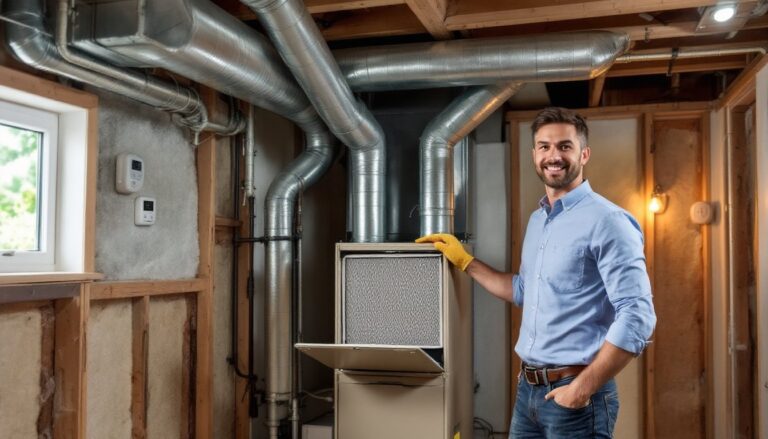
Twice a year, ideally in March and September, before peak seasons, set aside an hour for a thorough inspection. Start with the air filter, which clogs faster in the desert: swap it monthly during cooling season and every two months during winter. A clogged filter forces your system to work harder, raising energy costs and risking compressor damage. While the filter is out, visually inspect the indoor unit’s coils for dust buildup.
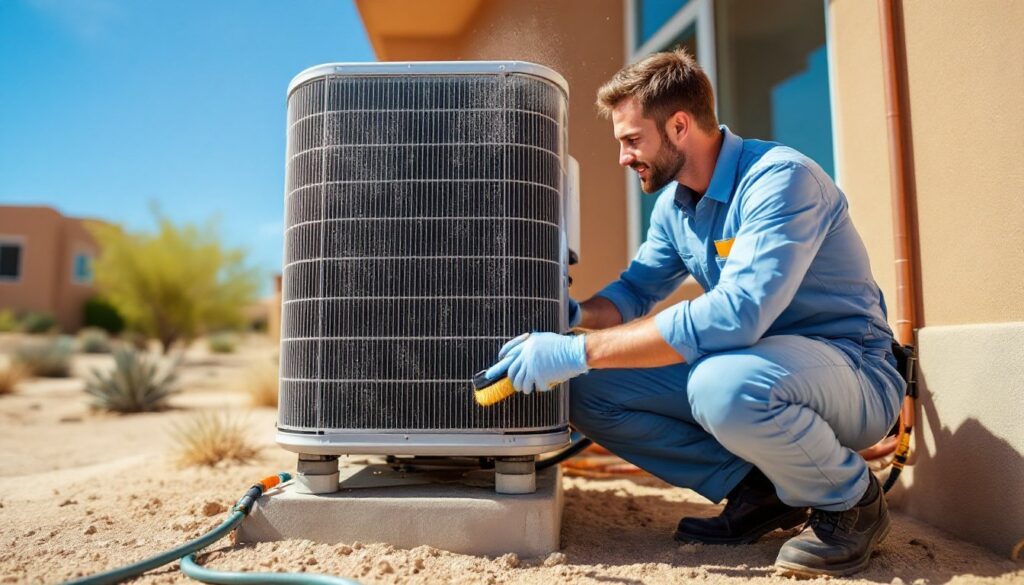
Next, walk around your outdoor unit. Clear any tumbleweeds, leaves, or debris within 2 feet on all sides, airflow restriction is the number one killer of outdoor coils in Arizona. If you see heavy dust accumulation on the fins, gently spray them with a garden hose set to low pressure: avoid high-pressure washers, which can bend the delicate aluminum fins and create leaks. Check the refrigerant lines (the two copper tubes) for visible damage, corrosion, or dents. Finally, listen for unusual noises, grinding, squealing, or rattling during operation suggests something loose or worn and warrants a professional inspection.
Summer Cooling Season Upkeep
During Scottsdale’s brutal June-to-September stretch, heat pumps run nearly continuously. Weekly checks become worth your time. Monitor your thermostat’s temperature consistency: if one room is significantly warmer than another, check that vents are open and furniture isn’t blocking airflow. If the system cycles on and off every few minutes, the refrigerant charge or coil efficiency may be compromised, call a professional.
Keep the condenser coil, the large grid on your outdoor unit, clear of debris. Desert storms can coat it overnight. Dust reduces heat transfer and efficiency, sometimes by 30% or more. Hose it off every two weeks during peak season if you’re in an area prone to dust storms. Also, ensure your condensate drain (a small PVC pipe near the indoor unit) isn’t clogged: water should drip freely outside. A blocked drain can trigger a safety switch that shuts down the whole system or damage your home’s interior.
Common Heat Pump Problems in Arizona Homes
Scottsdale’s climate breeds specific failure patterns. Refrigerant leaks rank high on the list: extreme heat and vibration from extended run cycles stress solder joints and seals. Signs include a weak cooling effect, hissing sounds, or oily residue around connections. Leaks require a licensed technician, you can’t legally refill refrigerant yourself in Arizona without EPA certification, and DIY attempts will waste money and damage the compressor.
Compressor failure is another desert-specific issue. The compressor is your heat pump’s heart, and it overheats when coils are dirty or refrigerant charge is low. Once it fails, replacement costs $1,500–$3,500. Prevention beats replacement: keep coils clean, ensure proper airflow, and don’t ignore warning signs like weak cooling or unusual vibrations.
Thermostat drift happens when Arizona’s blazing summer heat overwhelms the control system or if wiring gets loose. If your home won’t cool below a certain temperature no matter the setting, a technician should verify calibration. Capacitor burnout is also common, these electrical components deteriorate in heat, and replacing one costs $150–$300 versus $3,000+ if it takes the compressor with it. Finally, the outdoor fan motor can seize from dust and heat: a seized fan means the system can’t reject heat, forcing a shutdown. These are all reasons to catch small problems early.
DIY Maintenance Tips You Can Handle Yourself
You don’t need a license to keep your system running smoothly. Change or clean your air filter monthly (disposable filters) or every two months if you’re using washable ones. A MERV-8 or MERV-11 filter balances filtration and airflow: higher MERV ratings restrict airflow and reduce efficiency in desert climates. Keep replacements stocked, especially in summer.
Inspect and clean your outdoor coil with a garden hose and soft brush every 4–6 weeks in Scottsdale’s peak seasons. Shut off the system first at the breaker, then spray perpendicular to the fins (left to right, not top to bottom) to avoid pushing debris deeper. Don’t use high pressure or chemical coil cleaners, gentle water works fine for dust and is safer for seals.
Check your condensate drain monthly. Locate the small PVC pipe (usually 3/4 inch diameter) near your indoor unit and trace it to the exit point outside. If water isn’t dripping or is pooling inside, pour a cup of white vinegar down the drain to clear algae buildup, then flush with water. This five-minute task prevents water damage and system shutdowns.
Keep the area around your outdoor unit clear, mow grass short, trim shrubs at least 2 feet away, and remove leaves and debris weekly during monsoon season. Good airflow is free efficiency. Finally, monitor your thermostat’s settings. In summer, set it to 78°F or higher if you can tolerate it: each degree above 78°F saves roughly 3% on cooling costs. During winter (rare in Scottsdale, but it happens), don’t crank the heat, a heat pump works efficiently down to about 40°F: below that, supplemental resistance heat kicks in and drives costs up.
When to Call a Professional in Scottsdale
Know your limits. Refrigerant handling, compressor service, electrical work on the outdoor unit, and indoor coil cleaning all require a licensed HVAC technician. Arizona law is strict about this, illegal DIY refrigerant work carries penalties and voids warranties.
Call a pro immediately if you notice:
• Hissing, gurgling, or grinding sounds from the outdoor unit
• Weak cooling even though clean filters and clear coils
• Ice buildup on the refrigerant lines or indoor coil
• Water pooling inside your home near the indoor unit
• The system won’t turn on or cycles off repeatedly
• Burning or unusual smells
For routine service, most Scottsdale pros recommend scheduling a professional maintenance visit twice yearly, once before summer (May) and once before winter (October). These visits run $150–$250 and typically include a full coil cleaning, refrigerant charge check, electrical connection inspection, and safety verification. Think of it as insurance against a $5,000 compressor replacement.
When hiring, check credentials. Arizona requires HVAC contractors to hold an active license and liability insurance. Platforms like HomeAdvisor and Angi let you compare local contractors, read reviews, and get estimates. Avoid the cheapest quote, you’re paying for knowledge and accountability, not just labor.