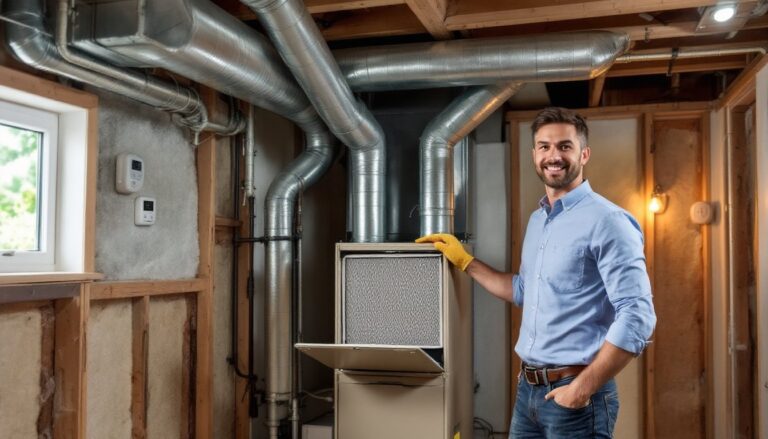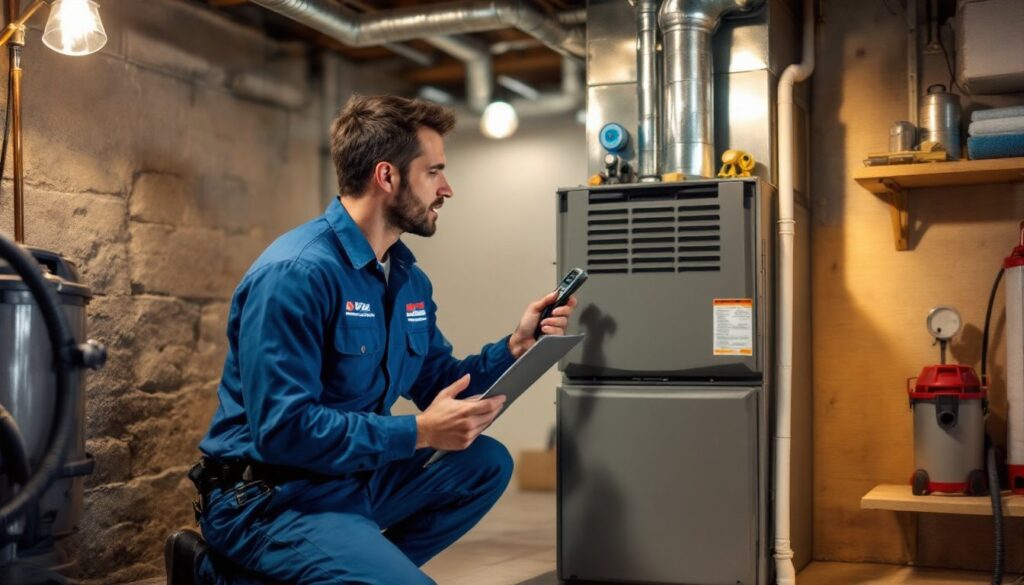
Your HVAC system is running quietly in the background, until it isn’t. A furnace that won’t fire up in January or an air conditioner that dies on the hottest day of summer never happens at a convenient moment. The truth is, regular HVAC maintenance keeps your system reliable, extends its lifespan, and saves you money on energy bills. Most homeowners don’t think about their heating and cooling equipment until something breaks, but a little preventive attention goes a long way. This guide walks you through exactly how often you should maintain your HVAC system, what maintenance looks like, and what signals it’s time to call a pro.
Table of Contents
ToggleKey Takeaways
- Regular HVAC maintenance twice yearly—once in fall and once in spring—prevents costly breakdowns and extends system lifespan.
- Professional tune-ups cost $150–$300 per visit but deliver 5–15% energy savings annually, paying for themselves through lower heating and cooling bills.
- Homeowners should replace standard 1-inch air filters every 1–3 months depending on household conditions, and inspect filters monthly to prevent blower strain.
- Unusual noises, weak airflow, water leaks, or chemical odors require immediate professional attention to avoid system damage and safety risks.
- Older HVAC systems over 10 years benefit from extra annual inspections, while those over 15 years should be evaluated for replacement due to declining efficiency.
- Simple DIY tasks like clearing outdoor condenser units, checking for ductwork gaps, and ensuring vents are unblocked improve efficiency between professional visits.
Why Regular HVAC Maintenance Matters
Think of HVAC maintenance like oil changes for your car. You wouldn’t wait until your engine seizes to change the oil, the same logic applies to your heating and cooling system. Regular tune-ups catch small problems before they become expensive failures. A clogged filter forces your blower to work harder, driving up energy costs and wearing out components faster. Dirty coils reduce efficiency by 5–15%, and a worn capacitor might fail without warning, leaving you stranded in uncomfortable temperatures.
Maintenance also protects your warranty. Most HVAC manufacturers require annual professional service to honor their coverage. Beyond that, a well-maintained system runs at peak efficiency, which directly cuts your heating and cooling bills. You’re looking at energy savings of 5–15% per year just by keeping the system clean and tuned. That alone often pays for a service call or two over the system’s lifetime.
Standard HVAC Maintenance Schedule
The industry standard is two professional maintenance visits per year: one before the heating season and one before cooling season. For most of the country, that means a fall tune-up in September or October and a spring tune-up in March or April. Each visit typically costs between $150–$300, depending on your region and whether you buy a maintenance plan (which often discounts the per-visit price). This schedule applies to both furnaces and central air conditioning, since many homes use the same HVAC unit for both.
If you have a heat pump (a system that heats and cools), maintenance is even more critical because the equipment runs year-round and works harder than traditional systems. Heat pump owners should absolutely stick to the twice-yearly schedule.
Spring and Fall Tune-Ups
A professional HVAC tune-up includes several key checks. The technician inspects the blower motor, tests airflow, cleans or replaces the air filter, checks all electrical connections, lubricates moving parts, and tests the thermostat calibration. For air conditioning service, they’ll check refrigerant levels (improper charge reduces efficiency and can damage the compressor), inspect the condenser coils, and test the system’s cooling capacity. For furnace service, they’ll inspect the heat exchanger for cracks, verify ignition and burner operation, and test safety shutoff controls.
Don’t skip these visits even if your system seems fine. A technician with gauges and experience can spot developing problems, say, a refrigerant leak or a bearing starting to fail, that you won’t hear or feel until it’s too late.
Filter Replacement Frequency
Air filter replacement is the one maintenance task that falls squarely on you, and the frequency depends on your setup. Standard 1-inch filters in most residential systems need replacement every 1–3 months. If you have pets, allergy sufferers in the home, or live in a dusty area, aim for the lower end: every month. If your home is relatively clean and you’re alone, 3 months is reasonable.
If you’ve upgraded to a thick pleated filter or a HEPA-type filter, check the manufacturer’s recommendation, some last 6–12 months, but they cost more upfront. The key is checking your filter monthly. Hold it up to light: if you can’t see through it, replace it. A clogged filter forces the blower to work overtime, wasting energy and risking motor failure. This is one task that takes just a few minutes and saves energy costs significantly.
Factors That May Increase Maintenance Needs
Not every home is the same, and some situations demand more frequent attention. If your HVAC system is more than 10 years old, add an extra professional inspection each year. Older equipment is more prone to wear, and catching problems early beats dealing with a breakdown during peak season. Systems over 15 years should really be evaluated for replacement: repair costs start stacking up, and efficiency dips over time.
Environment matters too. Coastal homes dealing with salt air, industrial areas with air pollution, or homes in dusty rural settings need more frequent filter changes and coil cleaning, sometimes every month instead of three. If your home sits in a wildfire-prone region, check filters more often: smoke and ash clog them quickly.
Usage patterns change the equation as well. Running your system continuously (say, an older home with poor insulation) means more stress on components. Programmable thermostats help reduce unnecessary runtime, but if you’re running heat or cooling 12+ hours daily, consider quarterly professional inspections instead of semi-annual ones. Homes with multiple zones or variable-speed HVAC equipment also benefit from more frequent checks because the technology is more complex.
Signs Your HVAC System Needs Immediate Attention
Don’t wait for your scheduled maintenance if your system is showing warning signs. Unusual noises, grinding, squealing, or rattling from the furnace or outdoor unit, signal bearing wear, a failing blower wheel, or loose components. Call a technician right away: running the system in this state can cause catastrophic damage.
Weak airflow from your vents (even with a clean filter) points to ductwork leaks, a failing blower motor, or a refrigerant leak in the case of air conditioning. If your furnace is running but your home isn’t warming, or your AC is on but temperatures won’t drop, the system is struggling and needs diagnosis. Leaking water around the indoor unit or outdoor condenser suggests a clogged drain line or a refrigerant leak, both require professional repair.
Odors are worth investigating too. A burning smell during startup may be normal if the furnace hasn’t run in months (dust burning off), but persistent burning or a chemical smell means something’s wrong. A musty odor from vents might indicate mold in the ductwork or evaporator coil. And if you smell refrigerant (a sweet, chemical odor), your system has a leak, don’t run it: call for service immediately. According to home improvement guides from HomeAdvisor, these issues warrant same-day or next-day attention to avoid further damage and safety risks.
DIY Maintenance Tips Between Professional Visits
You can’t diagnose refrigerant levels or test electrical components yourself, but you can keep your system happy with a few simple tasks. Change or check your air filter monthly. Grab the size and type from the filter frame (usually 16×25×1, 20×25×1, or similar), and buy a replacement. Slide out the old filter, note the airflow direction arrow on the new one, and install it the same way. It takes two minutes and saves energy and strain on your blower.
Keep your outdoor condensing unit clear. Remove leaves, grass clippings, and debris within 2 feet of the unit. Brush or gently rinse the fins (thin aluminum slats on the side) if they’re clogged with dust or cottonwood fuzz. Use a soft brush or low-pressure water spray, never a high-pressure washer, which can bend the delicate fins. If the fins are bent, they reduce airflow and efficiency.
Check that vents and return-air grilles aren’t blocked by furniture, curtains, or storage. Air needs to flow freely for the system to balance properly. In winter, ensure that snow or ice buildup around the outdoor unit doesn’t block airflow. Clear away any blockage, and check that the unit hasn’t settled or shifted, which can strain connections.
Inspect visible ductwork in your basement, attic, or crawl space for gaps, loose connections, or dangling insulation. Tape seams with HVAC duct tape (silver foil tape rated for duct sealing, not regular cloth duct tape), and wrap exposed ducts with insulation if they’re in unconditioned spaces. These small steps improve efficiency and prevent energy waste. For more detailed guidance on preventative care, check Bob Vila’s home improvement advice for project-specific tips.