Most homeowners don’t think about their HVAC system until something breaks, usually on the hottest day of summer or coldest night of winter. Regular HVAC maintenance is one of the easiest ways to avoid that panic call and keep your heating and cooling running efficiently year-round. A well-maintained system costs less to operate, lasts longer, and keeps your home comfortable without the stress of unexpected failures. The good news is that much of HVAC regular maintenance isn’t complicated: it’s mostly about staying on top of simple, routine tasks that take minimal time and tools.
Table of Contents
ToggleKey Takeaways
- HVAC regular maintenance prevents costly breakdowns and reduces energy consumption by 15–20%, saving hundreds annually on utility bills.
- Check and replace your air filter every 1–3 months to maintain peak efficiency and prevent dirt buildup that forces your system to work harder.
- Schedule professional HVAC tune-ups once per year (spring for cooling, fall for heating) to check refrigerant levels, clean coils, and catch small problems before they become expensive repairs.
- Clear your outdoor condenser unit of debris and maintain at least 2 feet of clearance around it to ensure unrestricted airflow and optimal cooling performance.
- Regular HVAC maintenance improves indoor air quality by preventing dust, mold spores, and allergens from circulating through your home.
- A well-maintained system lasts longer and costs $150–$300 per professional visit, far less than a $5,000+ system replacement or emergency repair.
Why HVAC Maintenance Matters for Your Home
Your HVAC system is working hard every single day to keep your home comfortable. Without maintenance, dust, dirt, and debris accumulate inside the system, forcing it to work harder to move air. This extra strain raises your utility bills, reduces the system’s lifespan, and increases the risk of costly breakdowns.
Regular maintenance keeps airflow unrestricted, ensures your equipment runs at peak efficiency, and catches small problems before they become big ones. A furnace or air conditioner that’s clogged with dirt consumes 15–20% more energy than a clean system. Over the course of a heating or cooling season, that adds up fast on your power bill.
Beyond efficiency, maintenance directly impacts indoor air quality. A neglected filter and coils circulate dust, mold spores, and allergens throughout your home. For families with allergies, asthma, or elderly members, this matters. Professional inspections also check refrigerant levels, electrical connections, and structural safety, things a homeowner can’t assess with the naked eye. Scheduling regular tune-ups typically costs $150–$300 per visit, far less than a $5,000+ system replacement or an emergency repair call.
Essential Monthly and Seasonal Tasks
Filter Changes and Air Quality Checks
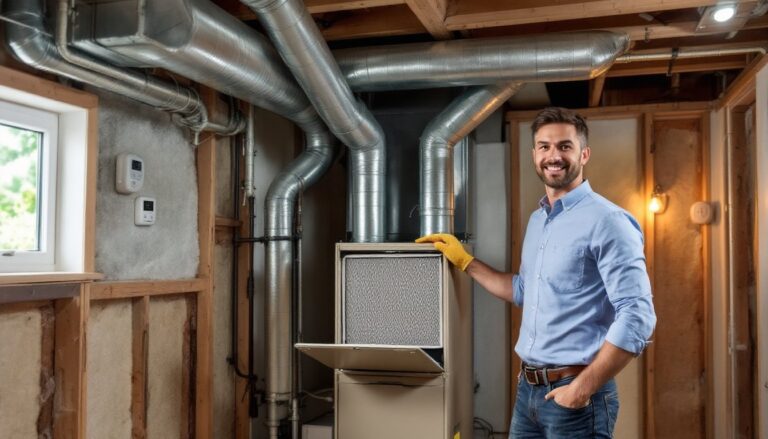
Your air filter is the first line of defense against dust and contaminants. A 1-inch fiberglass filter (the standard in most residential systems) should be checked monthly and replaced every 1–3 months, depending on household conditions. If you have pets, smokers, or high pollen counts in your area, lean toward monthly checks.
Changing a filter takes 60 seconds. Locate the filter rack (usually in a return-air duct, attic, or basement), note the size printed on the frame, and slide in a replacement. The filter should fit snugly with airflow arrows pointing toward the furnace or air handler. Never run the system without a filter, unfiltered air clogs your coils and blower faster than anything else.
For households sensitive to air quality, consider upgrading to a MERV-11 or MERV-13 filter. MERV (Minimum Efficiency Reporting Value) rates how effectively a filter captures particles. Higher MERV ratings trap smaller dust and pollen but also restrict airflow slightly: make sure your system’s fan can handle it. Check your equipment manual or ask a technician what rating your unit supports.
Spring and Fall Preparation Routines
Spring is when you prep your air conditioner: fall is when you prep your furnace. These seasonal checks prevent breakdowns when you need the system most.
Spring HVAC tune-up (before cooling season):
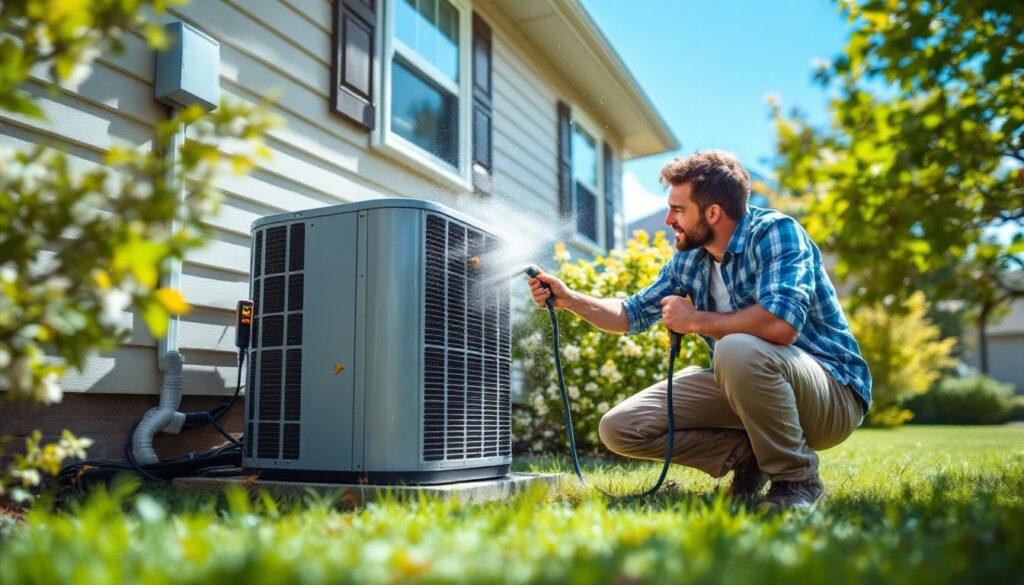
- Clear outdoor condenser unit of debris: leaves, sticks, grass clippings. Unplug the unit, vacuum fins gently with a brush attachment, and rinse with a hose if needed. Maintain at least 2 feet of clearance around the unit for airflow.
- Check the thermostat is working correctly. Set it to cooling mode, lower the temperature 5 degrees below room temperature, and listen for the outdoor compressor to kick in within a few minutes.
- Inspect the condensate drain line (a small PVC pipe near the indoor unit). Pour a cup of water down it: water should flow freely without backing up. A clogged drain can damage your evaporator coil.
Fall HVAC tune-up (before heating season):
- Inspect furnace ductwork visible in the attic or basement for air leaks. Seal gaps with foil tape or mastic sealant (duct tape fails quickly and should never be used on ducts).
- Test the furnace by setting the thermostat to heating mode, lowering it 5 degrees below room temperature, and listening for the blower to start within a minute. You should feel warm air coming from vents after a few moments.
- Check all supply and return registers and grilles: vacuum them and ensure they’re not blocked by furniture or drapes. Blocked registers kill efficiency.
Professional Tune-Ups and Inspections
DIY maintenance covers the basics, but a licensed HVAC technician brings tools and expertise you don’t have. Schedule a professional tune-up once per year, ideally in spring for cooling and fall for heating. Many contractors offer maintenance plans with discounts and priority scheduling.
During a tune-up, a technician will check refrigerant charge (critical for cooling efficiency), test electrical connections and voltage, clean the evaporator and condenser coils, lubricate moving parts, measure airflow at the blower, and inspect the heat exchanger for cracks or corrosion. They’ll also document readings and spot developing issues before they fail.
For cost estimates and contractor recommendations, sites like Angi and HomeAdvisor connect you with local HVAC companies and provide upfront pricing ranges. Reading reviews helps you find reliable technicians in your area. Don’t hesitate to call two or three companies for quotes: pricing varies by region and experience level.
Common HVAC Problems You Can Prevent
Many HVAC failures are preventable with basic maintenance:
Frozen evaporator coil: This happens when airflow is restricted (usually a clogged filter) and refrigerant can’t absorb heat properly. The coil temperature drops below freezing, and ice forms. Prevention is simple: change filters on schedule and keep return vents clear.
Refrigerant leaks: If your system is losing cooling power but the compressor is running, you likely have a leak. Leaks are dangerous and require a licensed technician to locate and repair. Regular inspections catch small leaks before they become catastrophic.
Thermostat failures: A non-responsive thermostat wastes energy because the system can’t adjust to demand. Replace batteries in battery-powered models annually: check wiring and connections if the unit isn’t responding. Smart thermostats eliminate many of these issues.
Dirty coils: Outdoor condenser coils collect pollen, dust, and debris. Over time, a fouled coil reduces cooling capacity by 30% or more. Rinsing the outdoor unit twice per season prevents this.
Blower wheel buildup: Dust accumulates on the blower wheel, reducing airflow and efficiency. A technician can clean it during a tune-up. At home, a clean filter prevents most buildup.
The comprehensive HVAC maintenance checklist from Today’s Homeowner outlines additional seasonal inspections and troubleshooting steps you can walk through yourself before calling a pro.
Conclusion
HVAC regular maintenance is preventive medicine for your home. Monthly filter checks, seasonal ductwork inspections, and annual professional tune-ups keep your system running efficiently, extend equipment life, and save money on energy bills. Start this month: check your filter, clear your outdoor unit, and schedule a spring or fall tune-up. Your future self, and your wallet, will thank you.