Your HVAC system works year-round to keep your home comfortable, but like any complex machine, it needs regular care to run efficiently and last as long as possible. A solid HVAC system maintenance plan doesn’t require a degree in mechanical engineering, it’s mostly about staying on top of simple seasonal checks, filter replacements, and knowing when to bring in a pro. Neglecting maintenance often leads to higher energy bills, uneven heating or cooling, and expensive emergency repairs when the system fails mid-winter or mid-summer. This guide walks you through the essential tasks that keep your air conditioner and furnace running strong, plus the seasonal rhythm that prevents problems before they happen.
Table of Contents
ToggleKey Takeaways
- A solid HVAC system maintenance plan through regular seasonal checks and filter replacements can extend your unit’s life by 5–10 years and improve efficiency by 15–20%, directly lowering utility bills.
- Monthly filter inspections, quarterly checks on condensate drains and ductwork, and annual professional service prevent costly emergency repairs and keep your system running at peak efficiency.
- Prepare your air conditioner in spring and heating system in fall by scheduling professional tune-ups before peak seasons to catch small problems early before they become expensive failures.
- Clear debris from outdoor condenser units, trim surrounding vegetation for airflow, check thermostat calibration, and listen for unusual noises—all DIY tasks that take minutes but prevent major headaches.
- Refrigerant leaks, thermostat malfunctions, and electrical issues require licensed HVAC technicians with proper certifications; attempting these repairs yourself is illegal, dangerous, and voids your warranty.
- Most HVAC warranties require annual professional servicing, so skipping maintenance means losing coverage when you need it most.
Why a Maintenance Plan Matters for Your HVAC System
Think of a maintenance plan like an oil change for your car, small, routine effort that saves you from major headaches down the road. An HVAC system left to its own devices gradually loses efficiency as dirt builds up on coils, refrigerant levels drop, and components wear out of alignment. Studies show that regular maintenance can extend the life of your unit by 5–10 years and improve efficiency by 15–20%, which directly lowers your utility bills.
A maintained system also catches small problems early. A worn fan belt, a leaking refrigerant line, or a clogged condensate drain might go unnoticed until they cause a breakdown. Preventative care means fewer emergency calls at 2 a.m. in January. Plus, most HVAC warranties require annual professional servicing, skip it, and you lose coverage.
The goal isn’t perfection: it’s consistency. A simple routine of monthly filter checks, seasonal inspections, and annual professional service keeps your system running at peak efficiency and helps you avoid the stress and cost of unexpected failures.
Essential Spring and Summer HVAC Maintenance Tasks
Air Conditioner Preparation and Care
Spring is the right time to prep your air conditioner for the cooling season ahead. By May or early June, before the heat hits hard, have a licensed technician perform a professional tune-up. They’ll check refrigerant levels, inspect electrical components, test the thermostat, and clean the evaporator coil inside your indoor unit.
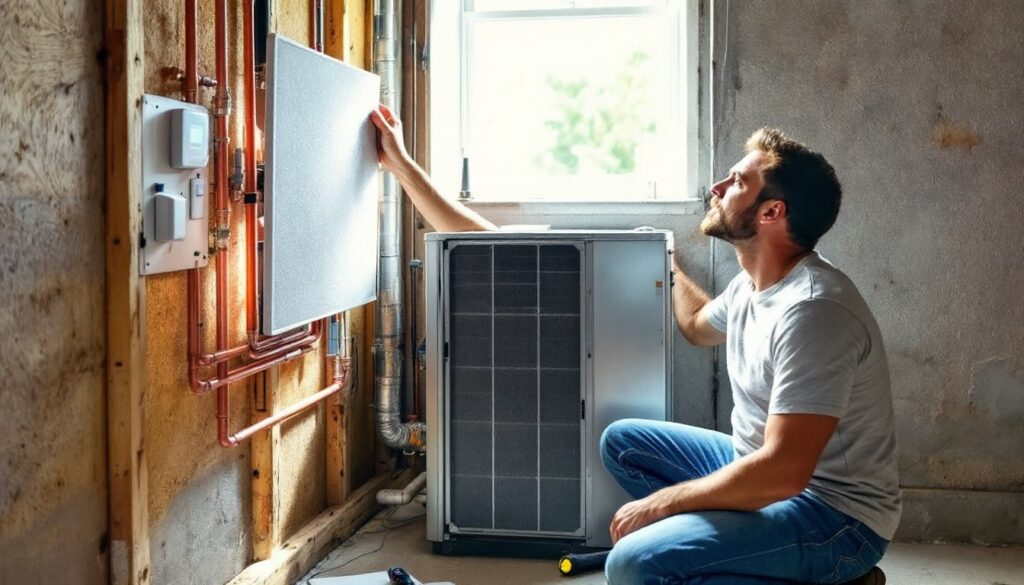
Before that appointment, you can do a few things yourself. Clear away leaves, grass clippings, and debris from the outdoor condenser unit. Trim back shrubs and trees so air can flow freely around it (at least 2 feet on all sides is ideal). Vacuum or gently rinse the condenser fins if they’re clogged with dust or pollen, use a soft brush to avoid bending the fins, which are fragile and expensive to repair.
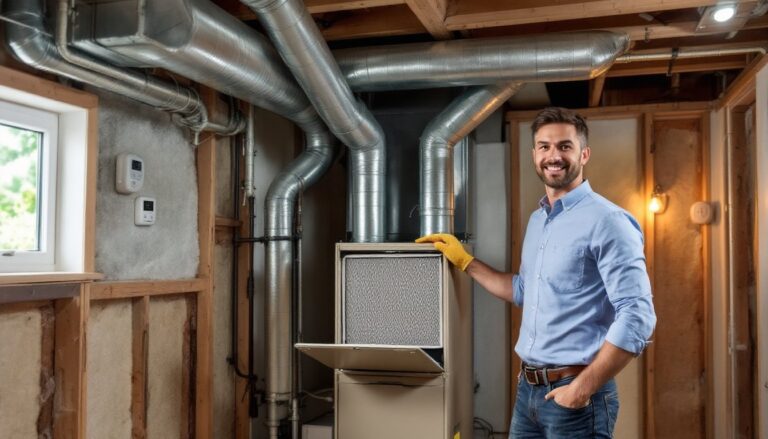
Check your air filter monthly during cooling season. Most residential units use standard 1-inch or 2-inch filters that slide into a slot near the return air ductwork or in the air handler. A clean filter looks light gray or white: a dirty one is dark and caked with dust. If it’s dirty, swap it out. Use a MERV-11 or MERV-13 filter for most homes, higher MERV ratings trap more particles but can reduce airflow if your system isn’t designed for them.
Inspect window units and portable AC units for leaks or unusual noise. Make sure the condensate drain (a small PVC pipe or tube that carries water away) isn’t kinked or blocked. Water backing up inside the unit can damage electronics and create mold. Clear the drain by gently flushing it with a thin wire or running water through it if accessible.
Fall and Winter HVAC Maintenance Checklist
Heating System Readiness and Inspection
By late September or October, before temperatures drop, schedule a professional heating system inspection. A technician will test the furnace or heat pump, check gas connections and combustion, inspect the blower motor, and verify that your thermostat is calibrated correctly. For a furnace, they’ll also check the heat exchanger for cracks or corrosion, a cracked exchanger is a serious safety issue that can allow carbon monoxide into your home and requires replacement.
If you have a gas furnace, check the pilot light or electronic ignition. A steady blue flame is normal: yellow or orange suggests incomplete combustion or debris in the burner. Don’t attempt to fix it yourself, call a technician. For heat pumps, make sure the outdoor unit doesn’t have frost buildup in winter: most units have a defrost cycle that reverses the refrigerant flow to melt ice, but if you see heavy frost not clearing, that’s a sign something’s wrong.
Replace or clean your furnace filter before the heating season ramps up. Winter air tends to be dry, and a clogged filter makes the blower work harder, wasting energy and generating heat that never reaches your rooms. Check the filter again after a few weeks of heavy heating, then monthly through winter.
Inspect your ductwork if it’s accessible (in the attic, basement, or crawlspace). Look for gaps, loose connections, or damaged insulation. Leaky ducts waste heated air and reduce efficiency, sealing them with mastic sealant or foil tape can recover 10–15% of lost heating efficiency. Don’t use standard duct tape: it degrades and falls apart over time. Use UL-rated foil-backed tape designed for ductwork.
Monthly and Quarterly Maintenance Tasks You Can Handle
You don’t need special tools or training to handle these checks. Set phone reminders for the first of each month and mark your calendar for seasonal tune-ups.
Monthly checks:
- Replace or inspect your air filter. Fold it against a light source: if you can’t see light through it, replace it.
- Look at your thermostat display. If the temperature display seems wrong (room feels cold but the thermostat reads 75°F), recalibrate it or have a technician test it.
- Listen for unusual noises, grinding, squealing, or rattling, which can signal a failing bearing, misaligned belt, or loose component. Write down what you hear and when so you can describe it to a technician.
Quarterly (every 3 months) checks:
- Inspect the indoor air handler unit or furnace cabinet for corrosion, water stains, or visible damage.
- Check the condensate drain pan (under the air handler) for standing water or algae growth. If it’s clogged, use a wet-dry shop vac or carefully flush it with diluted bleach and water to prevent mold.
- Feel air coming from supply vents in different rooms. If one room is significantly warmer or cooler than others, you might have a damper issue or a clogged duct.
- Walk around your outdoor condenser or heat pump unit. Look for oil stains (indicate refrigerant leaks), debris buildup, or bent fins.
When to Call a Professional HVAC Technician
Some tasks require specialized tools, gauges, and certifications. Don’t hesitate to call a pro if you notice any of these warning signs.
Refrigerant issues are the most important. If your air conditioner isn’t cooling as well as it should, or if you hear hissing or notice oily residue around copper lines, you have a refrigerant leak. Refrigerant is pressurized and toxic: only a licensed technician with EPA certification can handle it. Trying to patch it yourself is illegal and dangerous.
Thermostat and electrical problems also demand professional attention. If your system won’t turn on, cycles on and off erratically, or your thermostat won’t hold a set temperature, have a technician diagnose it. These issues often involve wiring, capacitors, or control boards that can damage your system or injure you if mishandled.
Have a professional inspect your system annually, ideally in spring for AC and fall for heating. Many homeowners find that professional tune-ups through HVAC preventative maintenance guides pay for themselves in energy savings and avoided repairs. You can also consult platforms like Angi to find licensed HVAC contractors in your area, read reviews, and get cost estimates before committing to a service call.
If you’re tackling a bigger project, replacing a furnace, heat pump, or ductwork, don’t DIY it. Installation requires calculations for proper sizing, load capacity, and code compliance. Most jurisdictions require permits for HVAC replacement, and improper installation voids your warranty and creates safety hazards. Resources like This Old House have excellent guides on choosing new systems and understanding what contractors should do, but the actual work belongs to licensed professionals.
Bottom line: maintenance is your job: major repairs and system replacement are a technician’s job. Know the difference, and your HVAC system will reward you with years of reliable service and lower bills.