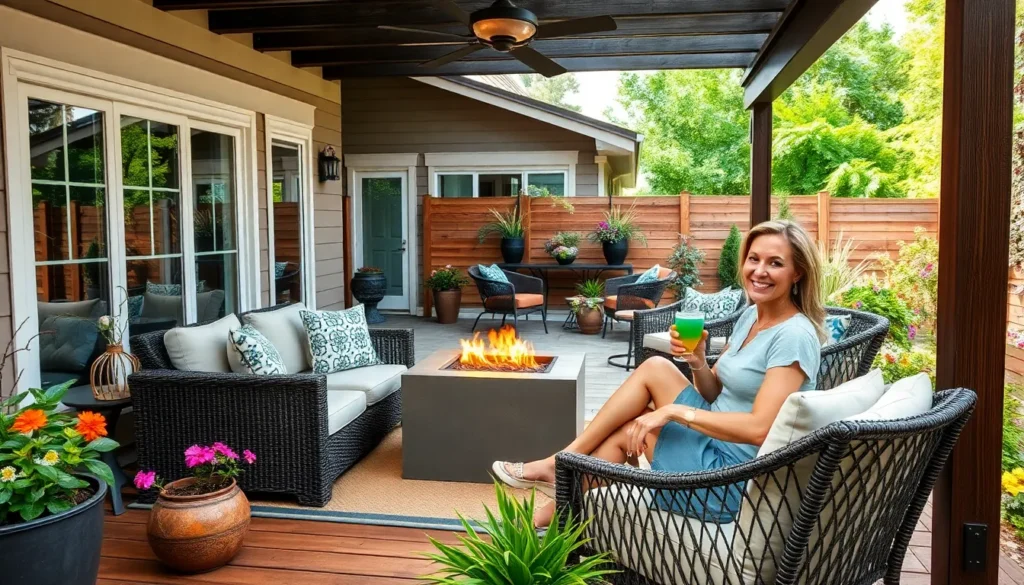
Imagine sipping your morning coffee on a patio that feels like a throne above the ordinary. Raised patios aren’t just a trend; they’re the ultimate backyard upgrade that transforms any outdoor space into a personal oasis. Elevating your entertaining game, these stylish structures invite friends and family to gather, all while providing a stunning view of your garden or landscape.
Overview of Raised Patios
Raised patios serve as a vital enhancement for outdoor spaces. These elevated structures offer practical benefits along with aesthetic appeal. Homeowners often find the space perfect for hosting gatherings due to its stylish design. They also create a smooth transition between indoor and outdoor living areas.
Landscape views become more accessible with a raised patio, providing vantage points that ground-level patios can’t match. Many people incorporate seating arrangements, fire pits, or outdoor kitchens into their designs, enhancing the overall functionality. The choice of materials can significantly affect the look, with options like stone, wood, or composite materials widely available.
Building a raised patio typically involves planning for proper drainage and selecting a suitable foundation. Heights can vary, allowing customization based on the landscape and homeowner preferences. Increased elevation can enhance privacy, making outdoor spaces feel more secluded.
Maintenance for raised patios is often straightforward, requiring regular cleaning and occasional inspections. With proper care, these structures can last many years while retaining their appeal. Overall, raised patios not only increase the value of a property but also expand usable outdoor space for leisure and entertainment.
Benefits of Raised Patios
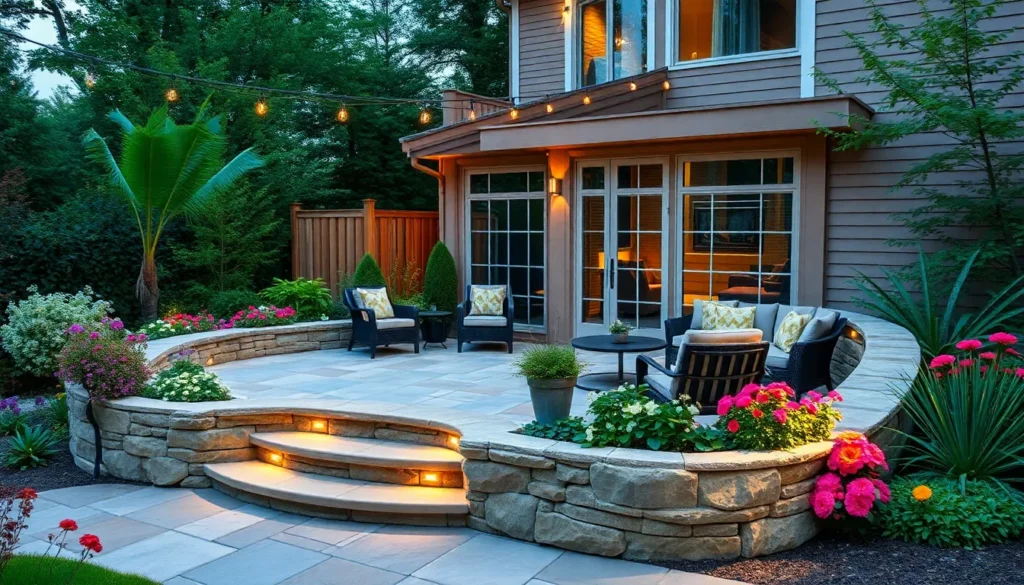
Raised patios provide numerous advantages, enhancing both functionality and beauty in outdoor spaces.
Improved Drainage
Elevated designs promote effective water runoff, preventing water accumulation. Rainwater easily flows away from the foundation of the home, reducing the risk of flooding. Integrated drainage systems can further enhance water management. Proper drainage keeps surfaces dry, minimizing slippery conditions. Adequate drainage also limits erosion, protecting the surrounding landscape. Homeowners enjoy a dry, usable space all year. Overall, improved drainage enhances safety and durability.
Enhanced Aesthetics
Raised patios offer a visually appealing upgrade to outdoor areas. These structures create a focal point that draws the eye, enhancing landscape beauty. Variety in materials, such as stone, wood, or composite, allows for custom designs that match personal tastes. Elevated platforms permit unique seating arrangements that contribute to an inviting atmosphere. Design options for lighting and railings further add charm and sophistication. Homeowners often find that these features transform their outdoor areas into stylish, welcoming retreats. Enhanced aesthetics elevate property value and enjoyment.
Materials Used in Raised Patios
Raised patios utilize various materials, each contributing to their aesthetic and functional qualities. Homeowners can select materials that suit individual preferences and enhance outdoor spaces.
Wood Options
Wood offers a natural appeal for raised patios. Cedar and redwood rank among popular choices due to their resistance to decay and insects. Pressure-treated lumber also proves durable and cost-effective. Various wood types allow for custom finishes, providing diverse looks. Wooden raised patios can integrate well with gardens, complementing surrounding landscapes.
Stone and Brick
Stone and brick present enduring options for raised patios. Natural stone, such as granite or flagstone, adds elegance and character, while clay bricks offer classic charm. Both materials withstand the elements, ensuring longevity. A wide range of colors and textures exists, enabling tailored designs that align with personal styles. Stone and brick can also support intricate patterns, enhancing visual interest.
Design Considerations
Designing a raised patio involves careful planning. Every aspect, from size to landscaping integration, plays a critical role in achieving functionality and visual appeal.
Size and Layout
Patio size significantly impacts usability. A spacious layout permits various arrangements like seating and dining areas. Considerations include dimensions suited for intended activities and proximity to the home. 12 feet by 16 feet serves as a standard size for small gatherings. Optimal layout should allow for flow and movement, avoiding overcrowding. Additionally, zoning the space assists in establishing distinct functional areas. Patterns or different levels can further enhance depth, creating an inviting environment.
Integration with Landscaping
Integrating a raised patio with existing landscaping elevates aesthetic value. Plants, trees, and flowers should complement the patio’s design. Native plants often require less maintenance and help blend the patio into the surrounding environment. Incorporating pathways can create transitions between the patio and garden areas. This approach allows for seamless connectivity while enhancing visual appeal. Lighting options can also highlight natural features, providing ambiance during evening gatherings. Proper planning results in a cohesive outdoor space that feels both intentional and welcoming.
Maintenance Tips for Raised Patios
Maintaining raised patios ensures their beauty and longevity. Regular upkeep prevents wear and retains their appeal.
Regular Cleaning
Cleaning removes debris, dirt, and stains from the patio surface. Sweep the patio weekly to eliminate loose particles. A pressure washer, set on a gentle level, can help clean more stubborn grime. Using mild detergent can enhance results, especially on stone or brick materials. Always avoid harsh chemicals, as they may damage the surface. After cleaning, inspect for any cracks or loose stones. Addressing these issues promptly prevents further damage and maintains the patio’s integrity.
Seasonal Checkups
Seasonal inspections guarantee the patio remains safe and functional. In spring, check for winter damage and clear any accumulated leaves or debris. Summer should focus on assessing drainage systems to prevent flooding. Fall offers a chance to examine plants or shrubs bordering the patio, ensuring they don’t encroach on the space. Winter requires monitoring for ice accumulation and applying salt where necessary. Performing these seasonal checkups keeps the patio in optimal condition and extends its lifespan.
Raised patios offer a remarkable way to enhance outdoor living spaces. They not only elevate the aesthetic appeal but also provide practical benefits that ground-level patios simply can’t match. With thoughtful design and the right materials homeowners can create stunning retreats that invite relaxation and socializing.
Regular maintenance ensures these elevated structures remain beautiful and functional for years to come. By investing in a raised patio homeowners can transform their outdoor areas into inviting spaces that reflect their personal style and cater to their lifestyle needs. The possibilities are endless when it comes to design and functionality making raised patios a worthwhile addition to any home.