


Imagine diving into a crystal-clear oasis that cleans itself while you sip your favorite drink. Sounds like a dream, right? Welcome to the world of self-cleaning natural swimming pools! These eco-friendly wonders not only keep the water pristine but also blend seamlessly into your backyard paradise.
Overview of Self Cleaning Natural Swimming Pools
Self-cleaning natural swimming pools utilize natural filtration processes to maintain clear water without chemicals. These pools rely on biological systems, including plants and microorganisms, to effectively filter impurities. Enjoying a swim in these eco-friendly pools allows for a refreshing experience while minimizing environmental impact.
A separate regeneration zone typically exists in these pools, where aquatic plants thrive. This area is crucial for filtering water, as it absorbs nutrients and helps maintain ecological balance. Maintaining clean conditions relies on the natural interplay between plants, bacteria, and water.
In self-cleaning systems, the biological filter works continuously to process pollutants and debris. Debris removal occurs through passive circulation, which draws water through filters without mechanical pumps. Reduced energy consumption is another advantage of these pools, making them cost-effective in the long run.
Seasonal water fluctuations often prove beneficial, promoting growth and active filtration in summer months. Aquatic plants require sunlight, so proper placement enhances photosynthesis and filtration efficiency. Enhanced biodiversity supports a thriving aquatic ecosystem, ensuring long-lasting cleanliness.
Further, self-cleaning natural swimming pools offer aesthetic appeal. The seamless integration of water features and surrounding landscapes elevates outdoor spaces. With appropriate planning, owners find opportunities for creativity in pool design.
Ultimately, these pools contribute to a sustainable lifestyle, providing an alternative to traditional swimming pools. Featuring reduced chemical dependency, they support both personal health and the environment. Self-cleaning natural swimming pools present a harmonious blend of beauty, functionality, and ecological responsibility.
Benefits of Self Cleaning Natural Swimming Pools
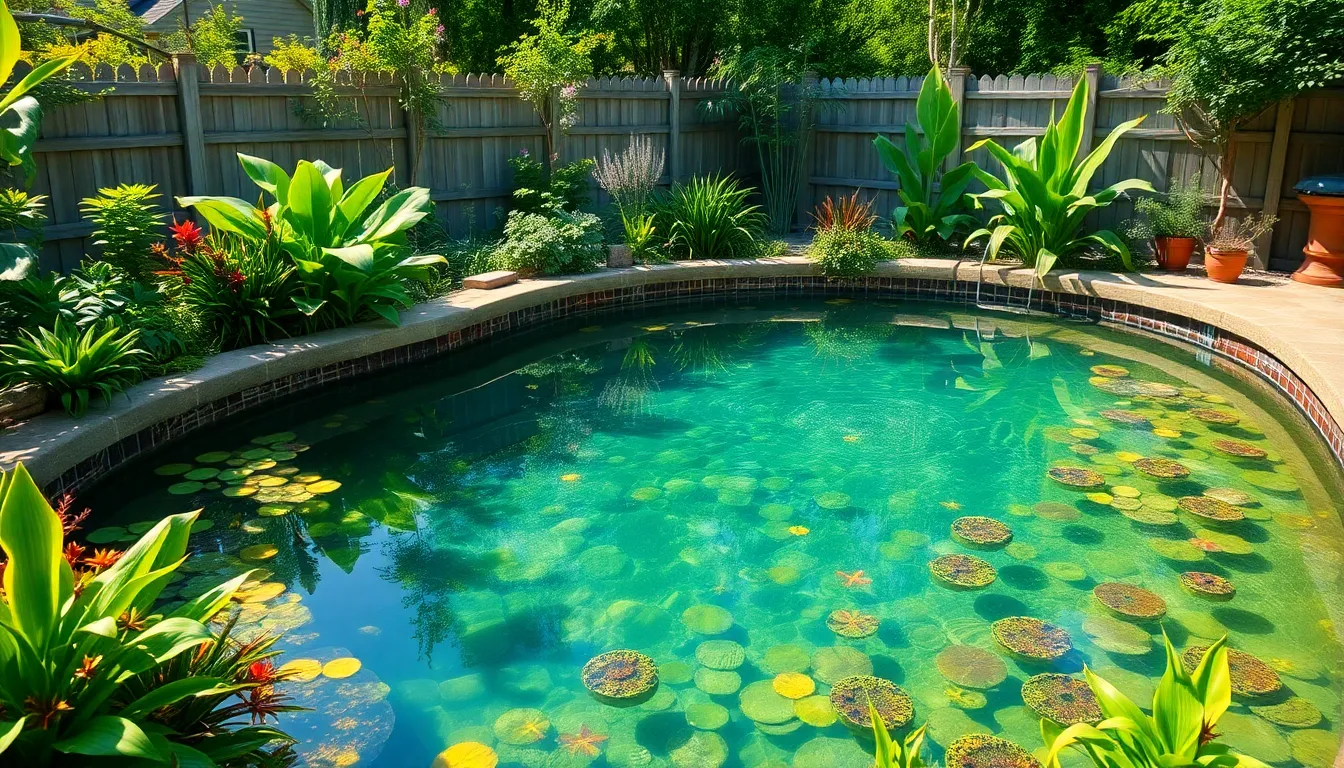
Self-cleaning natural swimming pools provide numerous advantages, combining environmental sustainability with cost savings. Exploring these benefits reveals their appeal to conscientious homeowners.
Eco-Friendly Features
Eco-friendly features characterize self-cleaning natural swimming pools, offering a sustainable alternative to conventional pools. These installations reduce reliance on chemicals for water clarity. Instead, they utilize microorganisms and aquatic plants to filter pollutants naturally. Plants within the regeneration zone enhance water quality by absorbing excess nutrients. This biological process promotes a balanced ecosystem, fostering biodiversity within the pool’s environment. Furthermore, these pools minimize energy use, lowering the carbon footprint associated with traditional filtration systems. Overall, they embody a commitment to environmental stewardship while providing an inviting swimming experience.
Cost-Effectiveness
Cost-effectiveness is a significant advantage of self-cleaning natural swimming pools. Initial investment costs are often offset by reduced maintenance expenses. Natural filtration systems operate with less energy than conventional pumps, resulting in lower utility bills. Minimal chemical purchases further decrease ongoing costs, making these pools financially appealing. Long-term durability contributes to overall savings, as well-built natural pools often require less frequent repairs or renovations. Many homeowners experience increased property value due to the attractive, eco-friendly features these pools offer. Recognizing these points illustrates why self-cleaning natural pools represent a smart financial choice.
Key Components of a Self Cleaning Natural Swimming Pool Diagram
Self-cleaning natural swimming pools consist of essential components that work together to ensure clean, clear water. Understanding these components provides insight into their effective functioning.
Filtration System
The filtration system forms the backbone of a self-cleaning natural swimming pool. This system employs biological filtration, which utilizes beneficial microorganisms to break down organic waste. Specific gravel or sand layers support these microorganisms, creating a habitat for them to thrive. Additionally, constantly circulating water through the filtration system helps maintain clarity. This natural method reduces the need for chemical treatments, aligning with eco-friendly principles.
Vegetation Areas
Vegetation areas serve a dual purpose in a self-cleaning natural swimming pool. Aquatic plants contribute to water quality by absorbing nutrients and providing oxygen, fostering a balanced ecosystem. Diverse plant species can enhance biodiversity and increase the pool’s aesthetic appeal. These areas also create habitats for beneficial organisms, which play a vital role in natural filtration processes. Incorporating native plants might boost resilience and adaptability, enriching the overall environment.
Water Circulation
Effective water circulation is crucial for maintaining a clean swimming pool. This system relies on pumps or gravity-driven flow to ensure water moves consistently throughout the pool. Adequate circulation helps distribute nutrients evenly, promoting plant health in vegetative zones. Strategic placement of water inlets and outlets enhances circulation efficiency, allowing for thorough filtration and cleansing. Regular movement prevents stagnation, which can lead to unwanted algae growth and reduces chemical reliance.
Design Considerations for a Self Cleaning Natural Swimming Pool
Designing a self-cleaning natural swimming pool involves several essential considerations. These factors impact the pool’s functionality, aesthetics, and environmental benefits.
Size and Shape
Determining the size and shape of the pool shapes the entire design process. Larger pools accommodate more aquatic plants, which enhance filtration efficiency. Irregular shapes create visual interest while providing diverse habitats for wildlife. Shape influences water circulation patterns as well. A well-planned layout promotes effective filtering by ensuring that water flows through the vegetation zones consistently. Ultimately, choosing the right dimensions and contours ensures a balanced ecosystem within the pool.
Material Selection
Selecting appropriate materials significantly affects the pool’s performance and longevity. Natural stones and gravel provide aesthetic appeal while assisting in water filtration. It’s vital to use non-toxic, environmentally friendly materials that prevent leaching harmful substances into the water. Flexible liners or reinforced concrete can also support unique shapes and facilitate plant growth. Moreover, incorporating natural filtration features, like biological filters, ensures both efficiency and sustainability. Prioritizing quality materials leads to a durable, visually pleasing, and functional swimming pool.
Self-cleaning natural swimming pools offer an exceptional blend of beauty and sustainability. By harnessing the power of nature’s filtration systems homeowners can enjoy clean water while reducing their environmental impact. The integration of aquatic plants and microorganisms not only enhances water quality but also promotes biodiversity.
With thoughtful design and the right materials these pools can elevate any backyard space. They represent a smart investment that pays off in lower maintenance costs and increased property value. Embracing this eco-friendly alternative allows individuals to create a serene oasis that aligns with their commitment to environmental stewardship.

