Keeping a swimming pool pristine takes time, effort, and consistency, three things most homeowners struggle to balance. Enter the pool robot vacuum cleaner: a compact, autonomous device that handles the dirty work while you’re doing something else. These smart cleaners have evolved dramatically over the past few years, transforming from novelty gadgets into serious pool maintenance workhorses. Whether you’re tired of manual vacuuming or looking to cut down on chemical buildup and algae growth, a pool robot can be a game-changer. This guide walks you through what these devices actually do, how they work, and whether one’s right for your backyard.
Table of Contents
ToggleKey Takeaways
- A pool robot vacuum cleaner is a battery-powered, autonomous device that navigates your pool floor and walls to remove debris, reducing manual maintenance and freeing up your time.
- Pool robots improve water quality by removing fine debris before it breaks down, reducing chemical demand and balancing your pool’s chemistry more effectively.
- Most pool robot cleaners pay for themselves within two seasons when compared to professional service costs, with electricity expenses as low as $0.08–$0.12 per hour of operation.
- Choose a pool robot based on your pool’s size, debris profile, and features needed—entry-level models cost $400–$600, while feature-rich units range from $600–$1,500 for reliable long-term performance.
- Simple weekly maintenance like emptying the filter basket and monthly inspections of wheels and brushes ensure your pool robot operates efficiently for 5+ years.
- Wall-climbing and smart app-scheduling features in mid-range and premium pool robot vacuums offer added convenience, especially in warm climates with extended pool seasons.
What Is a Pool Robot Vacuum Cleaner?
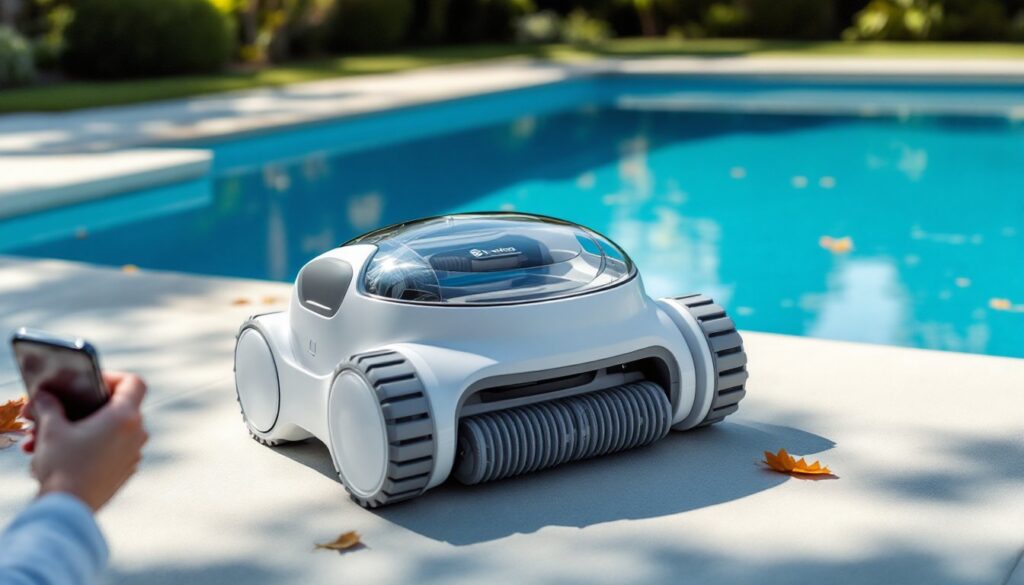
A pool robot vacuum cleaner is a self-propelled, battery-powered device designed to autonomously navigate the floor and walls of your swimming pool, sucking up debris as it goes. Think of it as a robotic equivalent to a household vacuum, but waterproof and purpose-built for pool environments.
These units come in two main types: suction-side cleaners (which connect to your pool’s skimmer line), pressure-side cleaners (which hook into return lines), and, the most popular option, battery-powered robotic cleaners that operate independently. Modern pool robot vacuums typically measure around 28–30 inches long, weigh 15–30 pounds, and feature built-in filters or bags that trap fine debris without clogging your pool’s main filtration system.
They handle debris ranging from large leaves and twigs to fine silt and algae. Some models even climb walls and the waterline to remove surface-level gunk and buildup. A full battery charge usually provides 2–4 hours of continuous runtime, depending on pool size and the model’s efficiency.
How Pool Robot Vacuums Work
Battery-powered pool robots operate on a fairly straightforward principle: they use electric motors to drive wheels or tracks across the pool floor, while internal pumps create suction to pull debris through intake ports and into a filter chamber.
The robot’s navigation system, whether it’s random, cyclonic, or gyroscopic, guides the device in patterns that ensure full coverage of the pool floor. Smarter models use intelligent mapping algorithms that “learn” your pool’s shape and adjust their route to avoid redundant passes. The robot’s waterproof motor and sealed compartments keep internal electronics safe, while external brush wheels and scrubbers agitate the floor and walls to dislodge stubborn algae and dirt.
Once the filter chamber fills with debris, you simply remove it, empty the collected material, and rinse the filter screen. Battery-powered models charge via a dock that sits poolside, you place the robot on the dock after each cleaning cycle, and it recharges automatically for the next session. Most modern pool robots also connect to smartphone apps, allowing you to schedule cleaning cycles and monitor battery status remotely. Some premium models even feature dual motors for enhanced wall-climbing ability and filtration power.
Key Benefits for Homeowners
A pool robot vacuum offers several tangible advantages over manual cleaning and reliance on weekly professional maintenance.
Convenience and Time Savings
Drop the robot in the pool, press the button (or schedule a cleaning on your phone), and walk away. While the device works, you’re not standing poolside with a manual vacuum hose, fighting against suction issues or tangled lines. For a typical residential pool, a full automated cleaning cycle takes 2–3 hours and frees up that time for something you’d rather be doing.
Cleaner Water Quality
By removing fine debris before it breaks down into dissolved organics, a pool robot reduces the chemical load your filtration system must handle. Less organic matter means less chlorine demand and better water balance overall. Some owners report needing to change pool chemistry less frequently after switching to robotic cleaning.
Lower Professional Service Dependence
While professional maintenance still plays a role in chemistry and equipment inspection, regular automated cleaning reduces the need for weekly or bi-weekly pro visits, trimming ongoing maintenance costs significantly.
Energy Efficiency and Cost Savings
Pool robots are remarkably efficient. Most operate on 12–24 volts and consume only 100–300 watts during operation, far less than a typical household appliance running for the same duration. Compared to running a pool’s main circulation pump continuously, or hiring a professional weekly, the electricity cost is minimal.
Initial purchase prices range from $400 to $3,500+ depending on features and brand reputation. A unit that costs $1,200 and runs 4–5 days per week for 5 years breaks down to roughly $0.08–$0.12 per hour of operation once amortized. Stack that against a professional service at $100–$200 per visit, and most homeowners recoup the investment within two seasons. Also, pool cleaning cost varies by region and service frequency, but automated cleaning significantly reduces that burden over time.
Choosing the Right Pool Robot Vacuum for Your Needs
Not all pool robots are created equal. The right choice depends on your pool’s size, shape, surface texture, and what debris you’re dealing with.
Pool Size and Type
Small, square pools (under 30,000 gallons) usually need compact, nimble robots with shorter runtimes. Larger, irregularly shaped pools benefit from models with longer battery life and more advanced navigation. Salt-water pools require robots with enhanced corrosion-resistant materials (typically upgraded internals and seals). Pools with numerous steps, corners, or slope variations demand models with superior climbing power and articulated brush systems.
Debris Profile
If your pool sits under trees shedding leaves and twigs, you’ll want a robot with a larger debris basket and robust filtration. Fine dust and algae require finer filter media or cartridges. Sandy or gravelly bottoms demand wheels or tracks with good traction, tracked models outperform wheeled designs in this scenario.
Wall and Waterline Coverage
Basic models stick to the floor. Mid-range and premium robots climb walls and can clean the waterline, crucial if algae buildup or debris accumulation is a problem in your climate. Wall-climbing ability is particularly valuable in warmer regions with extended pool seasons.
Smart Features
Entry-level robots operate on a simple on/off button. Mid-range and premium units offer smartphone app scheduling, battery status notifications, and cycle-time customization. Some newer models even connect to your home network and integrate with voice assistants, though these conveniences come at a premium. Experts reviewed best pool vacuum cleaners of 2024 and tested leading brands’ performance across different pool conditions.
Budget roughly $600–$1,500 for a solid, feature-rich robot that’ll handle most residential pools reliably for 5+ years. Premium brands cost more but often include better warranties and longer-lasting motors. Mid-range options offer good bang for the buck if your pool is standard-sized and not heavily wooded.
Maintenance Tips to Keep Your Pool Cleaner Running
A pool robot is low-maintenance by design, but a few simple habits ensure longevity and consistent performance.
Weekly Cleaning
After each run, remove and empty the filter basket or bag. Rinse the filter screen gently under fresh water, don’t blast it with a hose, which can damage fine mesh. Inspect the intake ports and brush wheels for tangled hair or fibrous debris that might clog the system. This 5-minute ritual prevents buildup that could reduce suction efficiency.
Monthly Inspection
Check the robot’s wheels or tracks for cracks, flat spots, or excessive wear. Look for any cracks in the body or clouding of the transparent dome (if equipped). Ensure brush bristles aren’t matted or frayed. Rinse the entire unit with fresh water if it’s been operating in chlorinated pools for extended periods, salt and chlorine residue can corrode seals over time.
Seasonal Storage
Before closing the pool or during off-season months, drain all water from the robot’s internal compartments and allow it to dry completely. Store it indoors in a temperature-controlled environment, away from direct sunlight. Batteries degrade if left in cold storage, so check your manual for recommended winter storage practices, some manufacturers suggest removing the battery or storing it separately.
Battery Care
Don’t let the battery fully deplete every cycle if possible: aim to charge when the robot finishes its run while the battery still has 10–20% capacity. This practice extends battery lifespan. Replace batteries according to the manufacturer’s schedule (typically every 3–5 years), not when they fail suddenly. Proactive replacement keeps performance consistent.
Professional Servicing
If you notice a significant drop in suction, unusual noises, or failure to return to dock, consult your robot’s service manual or contact the manufacturer. Many issues, motor bearings, seals, or circuit board faults, require professional servicing. Don’t attempt to disassemble the unit yourself unless you’re experienced with small appliance repair. Professional pool cleaning equipment remains a valuable resource if your robot needs repairs or you want to supplement its work with targeted manual treatments. For more comprehensive guidance on upkeep, explore pool maintenance classes or consult swimming pool maintenance service providers who can advise on optimal cleaning schedules.
Conclusion
A pool robot vacuum cleaner isn’t a luxury, it’s a practical investment that pays dividends in time saved, water quality improved, and maintenance costs reduced. Whether you choose a basic floor-cleaning model or a premium wall-climbing unit with smart scheduling, you’re buying consistency and reducing the manual labor that keeps many pool owners from enjoying their investment. Take time to match the right robot to your pool’s specific needs, maintain it properly, and you’ll enjoy crystal-clear water without the headache.