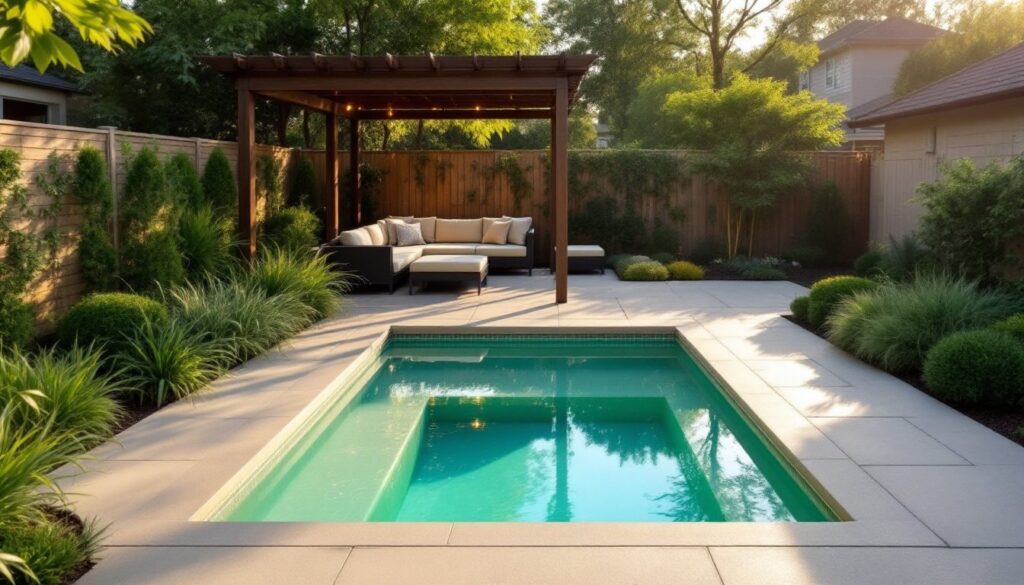
A plunge pool doesn’t need a sprawling yard or a six-figure budget. Whether you’re looking to beat the summer heat, add a focal point to a tight outdoor space, or create a spa-like retreat, small backyard plunge pool ideas are more accessible and stylish than ever. These compact pools, typically 4×8 feet or smaller, pack serious appeal into limited square footage. They’re ideal for urban homeowners, suburban lots, and anyone who wants the benefits of water without the maintenance nightmare of a full-size pool. In 2026, homeowners are embracing creative designs that blend function, aesthetics, and practical construction. Let’s explore seven strategies to find the perfect plunge pool design for your space.
Table of Contents
ToggleKey Takeaways
- Small backyard plunge pool ideas offer an affordable, low-maintenance alternative to full-size pools, costing a fraction of the price with simpler upkeep and chemical management.
- Above-ground options like prefab fiberglass shells and stock tanks provide the fastest installation (weekend or two) and typically bypass permit requirements, making them ideal for quick backyard upgrades.
- Ground-level concrete and tiled plunge pools deliver a luxury resort aesthetic and 20+ year lifespan, though they require permits, professional contractors, and 4–8 weeks for installation at higher upfront costs.
- Thoughtful landscaping, decking materials, and hardscape features like pergolas and lighting transform a small plunge pool into a resort-like retreat without overcrowding the space.
- Proper material selection—including frost-rated tiles for cold climates and epoxy grout for chlorine resistance—ensures durability and minimizes long-term maintenance headaches.
- Understanding local building codes and pool maintenance requirements before construction prevents costly mistakes and ensures your plunge pool remains a relaxing asset, not a burden.
What Is a Plunge Pool and Why Choose One for a Small Backyard?
A plunge pool is a small, shallow pool designed primarily for cooling off, soaking, or relaxation rather than lap swimming. Most plunge pools sit between 3–6 feet deep and typically measure 4×8 feet or smaller. Think of it as the backyard equivalent of a luxurious soaking tub, not a place to do laps.
Why choose a plunge pool over a traditional pool? Cost is the obvious win, installation and maintenance run a fraction of the price. A small plunge pool requires less water, lower chemical loads, and simpler filtration. You’ll spend less time on upkeep, which means more time enjoying your backyard. They also suit tight spaces perfectly: a 4×6 plunge pool fits comfortably into a small urban yard or awkward corners that a standard pool would waste.
Plunge pools also offer flexibility in design and placement. You can go above-ground for faster installation and no digging, or build ground-level for a sleek, integrated look. The shallow depth makes them safer for families with small children and easier to manage year-round. Plus, their compact footprint means you can still have room for landscaping, seating, and entertaining.
Compact Above-Ground Plunge Pools
Prefab Fiberglass Shells and Stock Tank Options
Above-ground plunge pools are the fastest route to water. Prefab fiberglass shells arrive ready to install, no custom digging or concrete work needed. Most come in preset sizes (4×6, 5×8 feet) with built-in steps and finished surfaces. You set a level foundation, connect basic plumbing, add a pump and filter, and you’re done in a weekend or two.
Installation is straightforward: compact the soil, lay down a sand or gravel base (usually 2–3 inches), position the shell, and backfill around the edges. The fiberglass holds up well if you maintain water chemistry properly, chlorine and pH balance prevent algae and surface degradation. One downside: fiberglass is less customizable. You’re limited to stock dimensions and colors, though that keeps costs lower.
Stock tanks, typically used for livestock, have become trendy backyard plunge pools. A 6-foot round tank holds around 1,000 gallons and costs $1,000–$2,500 depending on material (galvanized steel or rigid plastic). Installation is even simpler: level ground, add a filter pump ($300–$800), and fill. The rustic aesthetic appeals to many homeowners, though stock tanks run shallow (2–3 feet), so they’re better for soaking than diving.
Both options bypass the need for permits in most jurisdictions, a huge advantage if your local code requires professional engineering for in-ground work. But, always check your local building code. Some areas require permits even for above-ground pools over a certain volume. Stock tanks and above-ground shells also drain each season in harsh climates, so factor in winterization time and water storage.
Built-In Ground-Level Designs
Concrete and Tiling Considerations
Ground-level plunge pools deliver a polished, integrated look that feels like a luxury resort, at least on the surface. Digging a shallow hole (typically 3–6 feet deep), forming walls, and pouring concrete creates a permanent fixture. This approach works beautifully in yards where you want the pool to blend seamlessly with hardscape and landscaping.
Concrete is the standard material for the basin. A typical 4×8×4 foot plunge pool requires about 2–3 cubic yards of concrete ($400–$600 in material, plus labor). You’ll need a form built with lumber and rebar reinforcement for structural integrity. If this is your first concrete pour, hire it out, improper sloping toward the drain or air pockets in the pour lead to cracking and leaks within years.
Tiling is where personality shines. Ceramic, porcelain, or natural stone tiles cover the interior surfaces. Porcelain holds up better to freeze-thaw cycles in cold climates compared to ceramic. Use frost-rated tiles in regions with hard winters. Grout lines need proper sealant, a high-quality epoxy grout resists chlorine and mildew better than standard cement grout. Expect to spend $1,500–$3,500 on tiling labor and materials.
The trade-off: ground-level pools typically require building permits and engineered site plans, especially if they’re load-bearing on slopes or near foundations. You’ll also need licensed contractors to ensure proper drainage and plumbing integration. This route takes longer (4–8 weeks vs. a weekend) and costs more upfront, but the aesthetic payoff and longevity (20+ years with proper care) often justify the investment. Consult how much maintenance is a pool to understand ongoing obligations before committing.
Landscaping and Hardscape Integration
A beautiful plunge pool isn’t just water and tile, the surround matters enormously. Deck and patio materials set the tone and dictate safety and maintenance.
Decking options include composite boards, porcelain pavers, natural stone, or pressure-treated lumber. Composite decking ($12–$20 per square foot) resists rot and fading but can be pricey. Porcelain pavers ($5–$15 per square foot) stay cool underfoot and pair well with modern designs. Natural stone (flagstone, travertine) adds character but requires sealing. Whatever you choose, ensure proper slope (1/8 inch per foot) away from the pool to prevent water pooling and slipping hazards.
Planting around a plunge pool frames the space and creates privacy. Low-maintenance perennials and ornamental grasses thrive in filtered sunlight. Avoid dropping debris directly into the pool, place trees away from the basin. Consider landscape inspiration from resources like Gardenista for modern, compact garden schemes. Shrubs like boxwood or dwarf bamboo add structure without overwhelming a small yard.
Hardscape features like a pergola, shade sail, or small pavilion amplify the resort feel without eating up square footage. A 4×6 pergola ($800–$2,500) over one corner provides filtered shade and a visual anchor. Lighting transforms evening ambiance, underwater LED lights ($200–$500) add drama, while deck lighting ensures safe footing at night.
Water features like a small fountain or waterfall (often built into tiling or wall features) can sound luxurious, but keep in mind they add complexity to plumbing and water chemistry. Similarly, integrated hot tubs or jets require separate heating and plumbing runs. For inspiration on multi-use outdoor spaces, explore resources on decks and patios that show how to layer function and style. The key is resisting the urge to overcrowd, a clear sightline to the water is more important than every square inch of patio.
Conclusion
Small backyard plunge pool ideas thrive on smart design choices: picking the right type (above-ground vs. built-in), choosing durable materials, and integrating thoughtful landscaping. Whether you opt for a quick-install stock tank or invest in a tiled ground-level retreat, the key is matching the design to your budget, timeline, and maintenance tolerance. Start with pool cleaning essentials and understand the actual work involved before breaking ground. Your future self will appreciate a well-planned plunge pool that delivers relaxation without becoming a chore.