Keeping a pool crystal-clear used to mean hours with a skimmer net, a brush, and a manual vacuum. That routine is changing. A swimming pool vacuum robot automates one of pool ownership’s most tedious chores, running on a timer while you enjoy your backyard. Whether you’ve got a small saltwater in-ground pool or a sprawling resort-style setup, modern pool robots handle debris, algae prevention, and floor scrubbing with minimal effort from you. This guide walks you through what these machines actually do, why they’re worth considering, and how to pick the right one for your specific pool.
Table of Contents
ToggleKey Takeaways
- A swimming pool vacuum robot automates pool cleaning by systematically moving across the floor and walls to remove debris and prevent algae, eliminating hours of manual maintenance each week.
- Suction-side and pressure-side robots operate differently—suction models connect to your pump system while pressure models use independent motors—so choose based on your pool type and existing equipment.
- Swimming pool vacuum robots save significant time and physical labor while maintaining consistent water clarity, making them especially valuable for larger pools or busy homeowners.
- Select the right model by matching its capabilities to your pool’s size, surface material (vinyl, tile, or plaster), debris profile, and wall-climbing needs rather than buying based on features alone.
- Proper setup, regular maintenance (emptying collection bags every 1–2 uses, checking brushes monthly, and storing indoors during winter), and using OEM replacement parts ensure long-term performance and durability.
- Entry-level pool vacuum robots start at $300–$600 for basic cleaning, while mid-range and premium models ($700+) offer smart mapping, app control, and superior wall-climbing capabilities.
What Is a Swimming Pool Vacuum Robot?
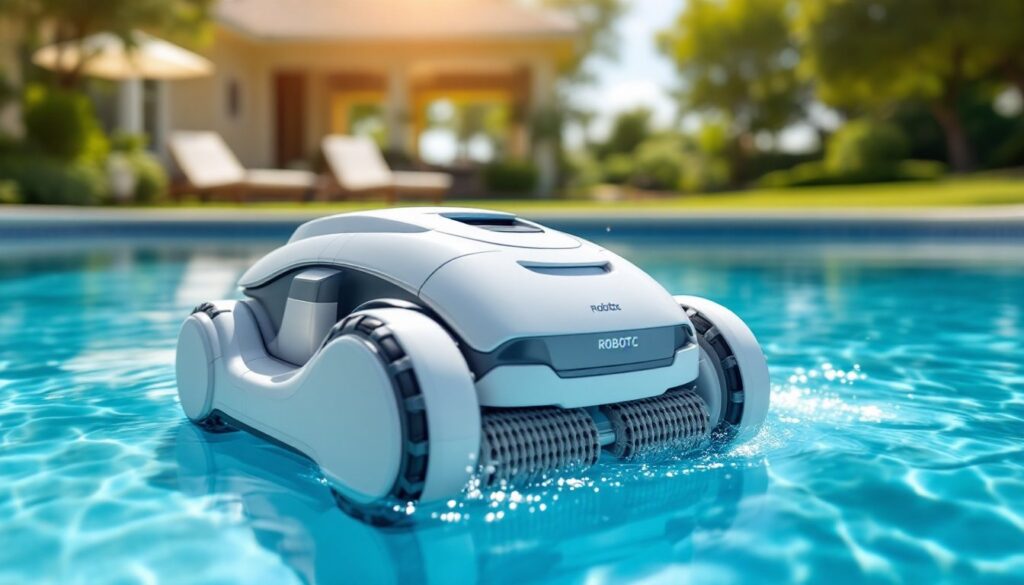
A swimming pool vacuum robot is an autonomous cleaning device that sits on your pool floor and systematically moves around, picking up debris and scrubbing surfaces. Think of it as a robotic version of the old manual vacuum hose you’d push around, except it does the work itself.
These units come in two main types: suction-side and pressure-side robots. Suction robots connect to your existing pool pump system and use suction to pull in leaves, dirt, and other debris through a collection basket or bag. Pressure-side robots operate independently with their own motor and pump, using pressurized water jets to dislodge debris and push it into an internal collection bag. Both types typically feature brushes on their underside that scrub the pool floor and walls as they move.
Modern pool robots also include smart features. Many now come with Wi-Fi connectivity, allowing you to schedule cleaning sessions and monitor progress from your phone. Some use AI-assisted navigation to map your pool and plan efficient routes, similar to smart home technology news and reviews. The best models include edge-cleaning modes to handle the waterline and corners, areas that manual cleaning often misses.
How Pool Vacuum Robots Work
The mechanics depend on the robot type, but all operate on a straightforward principle: move methodically, agitate and collect debris, then return for pickup.
Suction robots draw power from your pool’s existing circulation system. When activated, they’re connected via a hose to your pump’s suction line. As water is pulled into the pool pump, it also pulls the robot’s intake hose, creating negative pressure. This suction pulls debris into the robot’s collection bag as it moves along the floor. The downside is that suction robots can reduce your pump’s efficiency and may clog if large debris isn’t pre-screened.
Pressure robots operate independently with a separate motor and pump unit. They use high-pressure jets to blast debris off surfaces and into their collection bag. Some pressure robots connect to a booster pump for extra suction force. These don’t rely on your main pump, so they’re gentler on your circulation system, though they do consume extra electricity.
Both types use navigation systems to avoid getting stuck. Older models randomly bounce around: newer ones use smart mapping to cover the pool systematically, much like smart home device reviews describe for robotic vacuums on dry land. They climb walls (up to the waterline), navigate the floor, and some can handle stairs on deeper pools. Most run on timers, you set them to run overnight or during off-peak hours, and automatically return to the shallow end or a designated charging dock when done.
Key Benefits for Homeowners
The appeal of a pool robot comes down to time, consistency, and peace of mind.
Time savings are real. Manual pool maintenance requires you to dedicate an hour or more per week pushing a vacuum hose, skimming debris, and brushing walls. A robot handles this while you’re sleeping or working. For anyone with a larger pool or a busy schedule, that’s a tangible quality-of-life improvement.
Consistent cleaning prevents algae bloom and maintains water chemistry more easily. Robots run on set schedules, so your pool floor and walls are cleaned regularly rather than sporadically. This reduces the buildup that leads to cloudy water and makes chemical balancing more predictable.
Energy efficiency is another win, especially for pressure-side models that don’t tax your main pump. Some newer robots use brushless motors and efficient pump designs, cutting electricity use compared to running your circulation system longer. Over a summer season, that adds up.
Protective benefits include reducing manual labor on your back and knees, major considerations for older homeowners or anyone with joint issues. You’re also less likely to accidentally puncture or damage your pool liner by dragging a manual hose around corners.
The technology also frees you from planning vacations around pool maintenance. Leave town without worry: set the robot on a weekly schedule, and you’ll return to a clean pool. Many modern models, like options reviewed by CNET for smart home automation, offer remote monitoring so you can verify it completed its cycle even from afar.
Choosing the Right Pool Vacuum Robot
Selecting a robot boils down to matching the machine’s capabilities to your pool’s specifics and your cleaning priorities.
Start by identifying your pool type and size. In-ground pools typically need suction or pressure robots rated for that configuration. Above-ground pools often have size limitations, robots for 10,000-gallon pools differ from those for 20,000-gallon lagoons. Check the manufacturer’s specifications for maximum pool volume.
Consider debris profile. If your pool sits under trees and collects leaves and twigs, you’ll want a model with a large collection bag and powerful suction or pressure. Pools in low-debris areas (patios, open yards) can work with smaller, more compact models. Some robots are better at handling larger debris: others excel at fine silt.
Wall-climbing ability matters if you have sloped walls or need cleaning at the waterline. Not all robots scale vertical surfaces effectively. Check ratings for wall coverage, some models only do the floor, while premium units climb walls and handle corners.
Think about ease of maintenance. How often do you want to empty the collection bag? Some bags clog quickly: others hold debris longer. Check if cartridge filters are easy to access and replace. Wi-Fi and app features are conveniences, but they’re not essential if you’re comfortable with a timer and manual activation.
Weigh upfront cost against long-term value. Entry-level robots ($300–$600) handle basic cleaning on smaller pools. Mid-range models ($700–$1,500) offer better navigation and wall climbing. Premium units ($1,500+) include smart mapping, app control, and longer warranties. Budget also depends on whether you need professional installation, most homeowners can set up a plug-and-play model themselves.
Pool Size and Type Compatibility
Your pool’s dimensions and construction are non-negotiable factors. An above-ground pool typically uses smaller, lighter robots designed to fit through the skimmer opening without damage. In-ground pools can accommodate larger units with more powerful motors.
Saltwater pools require specific robot materials. Regular plastic components corrode in saltwater: you’ll need a robot with stainless steel or coated parts. Some models are saltwater-rated from the factory: others aren’t. Verify this before purchasing if you use a salt chlorinator.
Tile, plaster, and vinyl pool surfaces each have cleaning requirements. Vinyl requires gentler brushing to avoid damage: some robots have adjustable brush pressure for this. Tile and plaster can handle more aggressive scrubbing. Make sure the robot you choose is compatible with your surface type. Also consider whether your pool has deep ends, slopes, or steps, robots need adequate depth and traction to navigate these features. Professional pool cleaning equipment can help you understand what your pool’s specific design demands if you’re unsure.
Setting Up and Maintaining Your Pool Vacuum Robot
Setup is straightforward for most homeowners, though you’ll need to follow the manufacturer’s instructions specific to your model.
Initial prep involves checking your pool water chemistry. pH, chlorine, and alkalinity should be balanced before running the robot. Unbalanced water can affect the robot’s seals and motor longevity. Also, remove large debris like branches or toys, robots handle leaves and dirt, not bricks.
For suction-side robots, attach the hose to your pump’s suction port, prime the hose to remove air (air bubbles reduce efficiency), and set the robot in the shallow end. It’ll sink and begin its cycle. For pressure-side robots, connect the unit to a booster pump outlet or pressure line according to the manual, plug it in, and activate.
Maintenance tasks are minimal but important. Empty the collection bag every 1–2 uses, depending on debris volume. A full bag reduces suction or pressure performance. Check brushes monthly for wear, most brushes last 200–300 hours before needing replacement (roughly a season). Rinse the filter or cartridge weekly during heavy use. If your robot has a waterline sensor or wall-climbing wheels, inspect them quarterly for algae buildup that can reduce grip.
Store the robot indoors during winter or in colder climates, as freezing can damage seals and internal components. Keep it in a dry location with good ventilation to prevent mold growth. Check the manual for any off-season winterization steps, some models require draining internal passages.
Most robots need replacement parts every few seasons. Bags, brushes, seals, and wheels are wear items. Order OEM (original equipment manufacturer) parts rather than off-brands to ensure compatibility and longevity. If you’re investing in a mid-to-premium robot, factor replacement part costs into your budget. You can also complement robotic cleaning with pool cleaning products and kits to address water chemistry and any areas the robot misses.
Conclusion
A swimming pool vacuum robot transforms pool ownership from a weekend chore into a set-it-and-forget-it convenience. Whether you choose a suction, pressure, or smart model depends on your pool’s size, surface type, debris profile, and budget. The upfront investment pays dividends in time saved, consistent water clarity, and reduced physical labor. Pick a unit matched to your specific setup, follow basic maintenance, and you’ll enjoy a cleaner pool with far less effort than manual cleaning demands.